You assume your dog’s snoring is just a quirk of the breed. It is not. It is the sound of a dog fighting for air, every single time it breathes, and the reason it happens is not bad luck or age. It is a structural design flaw baked into the breed standard, and it is called Brachycephalic Obstructive Airway Syndrome.
BOAS is not a single condition. It is a cascade of four distinct anatomical failures that work together to turn a dog’s respiratory system into a partially collapsed straw. When you see a Pug wheeze or a Bulldog pant with its mouth open after walking ten feet, you are watching a mechanical failure of the upper airway. The dog is not lazy. The dog is suffocating.
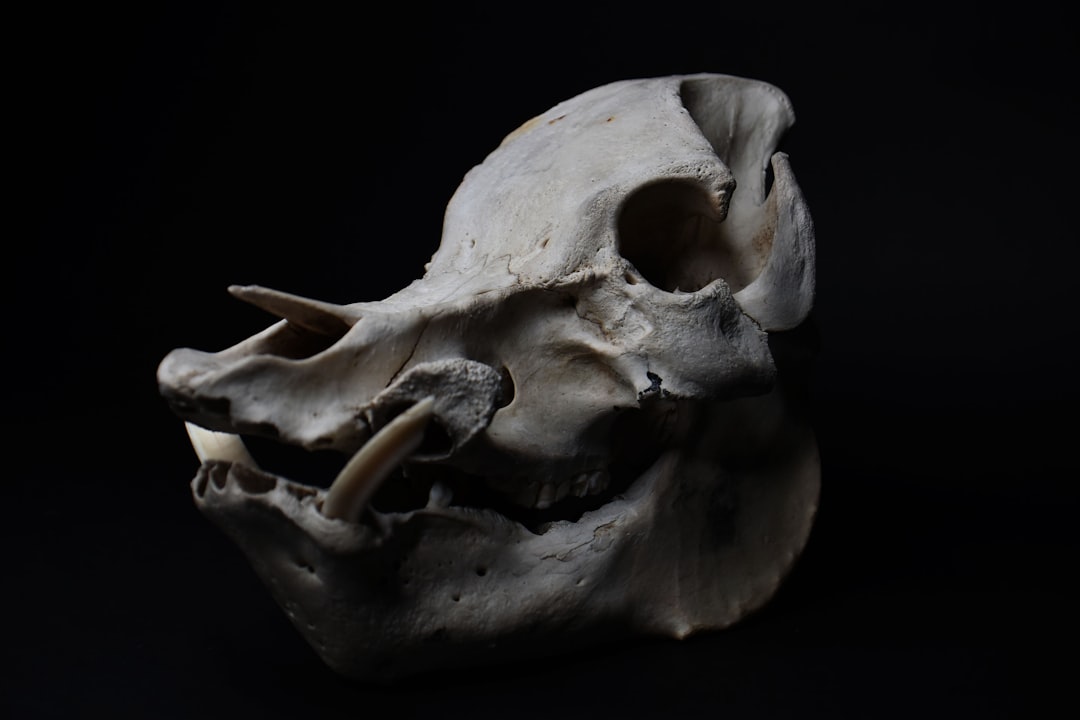
The syndrome is the result of selective breeding for a shorter muzzle, which forces the exact same volume of soft tissue into a significantly smaller space. The airway does not scale down. The tissue remains, and the bone shrinks. The result is a physical squeeze that restricts airflow, increases the work of breathing, and progressively worsens as the tissue swells from the friction of trying to pull air through a narrowed passage.
The Four Components of the Squeeze
Veterinary surgeons do not treat BOAS as one problem. They break it down into four specific anatomical failures, each contributing to the total restriction. Understanding these four components explains why a simple trim or a single surgery rarely solves the problem, and why the condition is almost always progressive without intervention.
The first component is the stenotic nares. This is a narrowing of the external nostrils. In a normal dog, the nostrils flare outward, creating a wide opening for maximum airflow. In a brachycephalic dog, the nostrils are pinched inward. Think of trying to drink a thick milkshake through a narrow coffee stirrer versus a wide juice straw. The difference in airflow dynamics is massive. The pinched nares force the dog to generate significantly higher negative pressure in the chest just to pull air in, which begins the cycle of tissue collapse.
The second component is the elongated soft palate. This is the flap of tissue at the back of the mouth that normally seals off the airway when the dog swallows. In BOAS-affected dogs, this palate grows too long for the shortened skull. It hangs down past the tip of the epiglottis, physically blocking the entrance to the windpipe. Every time the dog inhales, the long palate flaps up and covers the airway opening. The dog has to fight against its own anatomy just to get air into the lungs.
The third component is the hypoplastic trachea. This is a narrowing of the windpipe itself. The tracheal rings are smaller in diameter than they should be for the size of the dog. While the first two components restrict air at the nose and mouth, a hypoplastic trachea restricts air at the chest. This is often the most dangerous component because it is rigid. You cannot stretch a narrowed trachea. It is a fixed physical barrier that limits the maximum volume of air the dog can move in a single breath.
The fourth component is everted laryngeal saccules. These are small pouches of tissue located just behind the vocal cords. Under normal conditions, they are tiny and invisible. But when a dog with BOAS struggles to breathe, the intense negative pressure created by trying to pull air through the narrowed airway literally sucks these saccules outward. They evert, or flip out, and hang into the airway. This is a late-stage symptom. It means the dog has been struggling to breathe for so long that the tissue has physically been pulled out of place. Everted saccules are a clear sign that the squeeze has become severe.
Why It Gets Worse Every Year
BOAS is not static. It is a progressive disease. The reason it gets worse is mechanical. Every time a dog with stenotic nares and an elongated palate breathes, the tissue inside the airway is subjected to high-velocity, turbulent airflow. This constant friction causes the soft tissues to become inflamed, swollen, and hypertrophied. The more the tissue swells, the narrower the airway becomes. The narrower the airway becomes, the more effort the dog must exert to breathe. The more effort the dog exerts, the more the tissue swells.
This is a positive feedback loop. It is a downward spiral. A dog that is mildly affected at six months old can be severely affected by three years old if the underlying anatomy is never corrected. The swelling is not just temporary irritation. It is permanent tissue remodeling. The airway literally grows to fill the available space, but in the wrong way, creating a tighter and tighter squeeze over time.
Heat and exercise make this spiral catastrophic. When a dog exercises, it needs more oxygen. When a dog has BOAS, it cannot get that oxygen efficiently. The dog responds by panting, trying to force air in and out rapidly. But panting with a narrowed airway generates extreme negative pressure. This pressure can cause the trachea itself to collapse, or it can pull the swollen tissues further into the path of the air. This is why a brachycephalic dog can go from panting to respiratory distress in minutes during a hot day or a long walk. The anatomy that restricts airflow becomes a lethal trap under stress.
The Surgical Fix and The Honest Limits
There is a surgical solution for BOAS, and it is highly effective when performed early. The procedure involves removing the stenotic nares, trimming the elongated soft palate, and removing the everted saccules. This is not a cosmetic surgery. It is a life-saving airway reconstruction. By opening the physical blockages, surgeons restore the diameter of the airway, allowing air to flow without generating destructive negative pressure.
Studies show that dogs treated surgically before they develop severe secondary complications have a normal lifespan and quality of life. They can run, play, and sleep without the constant struggle. The surgery is not a guarantee, but it is the only way to stop the progressive tissue remodeling. Waiting until the dog is older, or until the saccules have everted, makes the surgery much more difficult and the recovery much harder. The tissue is already swollen and damaged. The earlier the intervention, the better the outcome.
But there is a limit to what surgery can do. If a dog has a hypoplastic trachea, surgery cannot make the windpipe wider. The rigid rings are already too small. The surgery can open the upper airway, but the dog will always have a reduced maximum airflow capacity. This is why a Bulldog will never be a marathon runner, even after perfect surgery. The physical limit of the trachea remains. The surgery removes the active squeeze, but it does not change the underlying size of the airway. Owners must accept that their dog will always have a lower exercise tolerance than a dog with a normal anatomy, regardless of how many surgeries are performed.
What This Means for Breeders and Owners
The existence of BOAS is not a secret. It is a documented, measurable, and inevitable consequence of breeding for extreme brachycephaly. The Journal of Veterinary Surgery has published extensive research on the prevalence of BOAS in brachycephalic breeds, confirming that nearly all dogs bred with extreme facial structure exhibit some degree of airway compromise. This is not a rare condition. It is the standard outcome of the current breed standard for breeds like the English Bulldog, French Bulldog, and Pekingese.
For breeders, this means that breeding for an even shorter muzzle is breeding for a respiratory disability. Every time a breeder selects for a flatter face, they are selecting for a narrower airway. The tissue does not shrink. The bone does. The squeeze gets tighter. The only ethical path forward is to breed for a functional muzzle length that allows for normal airflow. This means accepting a dog that looks less extreme, but lives a life without the constant struggle to breathe.
For owners, this means recognizing the early signs. Snoring is not normal. It is a symptom. Open-mouth panting after minimal exercise is not normal. Blue-tinged gums after play are not normal. They are a symptom of oxygen deprivation. If you see these signs, do not wait. Take your dog to a veterinary surgeon who specializes in airway disorders. Ask about a laryngoscopy to check for the four components of BOAS. Ask about early surgical intervention. Do not accept the narrative that “it’s just how they are.” It is not. It is a treatable medical condition that gets worse every day it is ignored.
The anatomy of the squeeze is a tragedy of engineering. We built a dog that cannot breathe properly, and then we told ourselves it was just a quirk. It is a disease. And it is entirely preventable. You can breed for the squeeze, or you can breed for the air. You can ignore the snoring, or you can fix the airway. The dog does not get to choose. The dog just has to breathe.
Sources & Further Reading
- Prevalence of Brachycephalic Obstructive Airway Syndrome in Purebred Dogs — Journal of Veterinary Surgery
- Brachycephalic Obstructive Airway Syndrome: A Review — Veterinary Partner
Photo by Julia Fiander on Unsplash.