
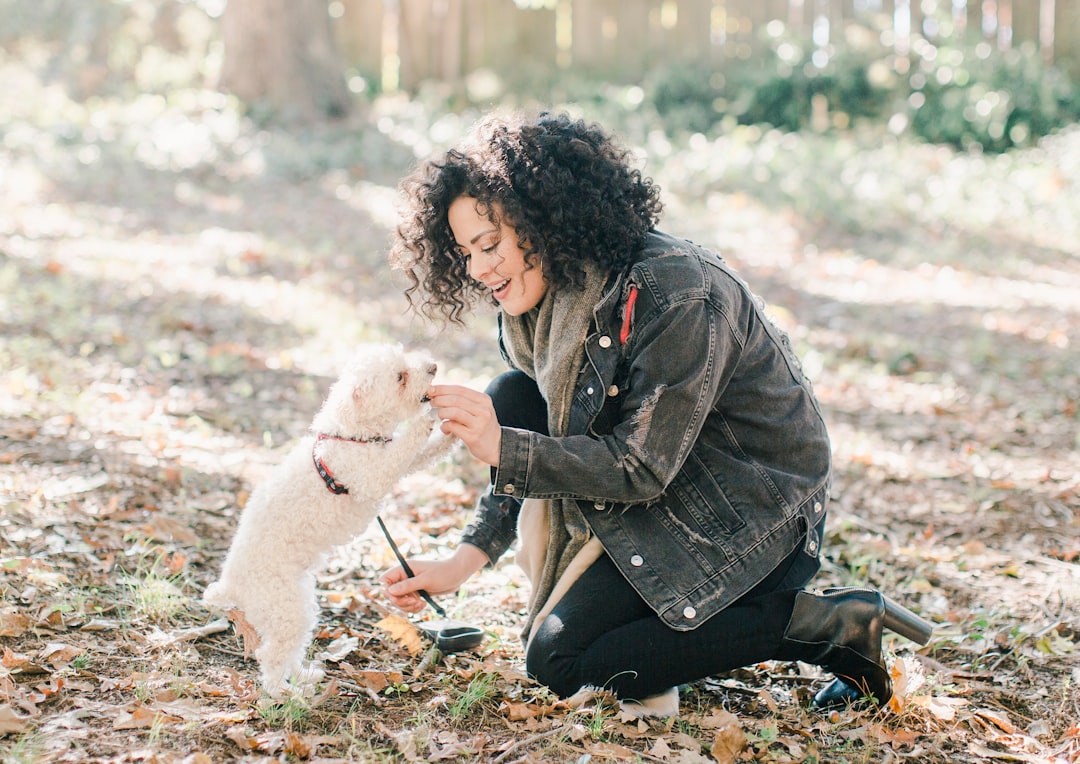
A dog will ignore a command from its primary caregiver if the reward offered is less than ten times the value of the stimulus currently holding its attention. This is not a behavioral quirk or a lack of discipline. It is a rational economic calculation. When you call your dog away from a fascinating scent, a squirrel, or another dog, you are asking them to trade a high-value, immediate stimulus for a low-value, distant promise. They do not move. They are not disobeying you. They are making a mathematically sound decision.
This is the 90% Rule. It states that a dog will only reliably respond to a recall command when the value of your offer exceeds the value of their current activity by a factor of ten. If your dog is sniffing a fascinating patch of grass, you must offer something worth ten times that sniff. If they are watching a squirrel, you must offer something worth ten times that squirrel. If you are offering a dry biscuit while they are watching a squirrel, you will get a refusal. Not because your dog is broken, but because the math does not work.
The problem is not the dog. The problem is the owner’s pricing model. We treat recall as a moral obligation. We think, “My dog should come when called, regardless of what he is doing.” But dogs do not operate on moral obligations. They operate on cost-benefit analysis. Every time you call your dog, you are placing a bid in an auction. If your bid is lower than the current market value of their activity, they will not respond. And when they do not respond, you escalate. You repeat the command. You use a sharper tone. You sometimes even get down on your hands and knees and beg. You are flooding the auction with more bids, but you are still offering the same low-value currency. The dog learns that your voice is not a command to move, but a background noise that predicts discomfort.
Consider the classic scenario: a dog is walking through a park, nose to the ground, thoroughly enjoying the rich tapestry of smells. You call him. He does not come. You call again, louder. He glances at you, sees the tension in your body, and decides that the smell is still more interesting than the shouting. He walks away. You are frustrated. He is confused. This happens thousands of times a day across the country. It is a pricing failure.
The solution is not to train the dog to ignore the world. The solution is to raise your bid until it is irresistible. This requires you to carry the good stuff. Not the dry biscuits from the bag. The real good stuff. Cooked chicken. Hot dogs. Cheese cubes. Something so valuable that the dog would trade the entire park to get it. When you call your dog, you are not asking him to come. You are telling him that the best thing in the world is about to happen, and it is right here, next to you. You are not interrupting his fun. You are upgrading it.
This approach requires a fundamental shift in how you view your dog’s environment. You are not competing with the environment. You are enhancing it. When your dog is at home, you are the source of all good things. Food, play, affection, walks. You are the primary reinforcer. But when you are outside, you are just another object in the environment. You are competing with trees, other dogs, cars, and smells. To win, you must be more interesting than the trees. You must be more interesting than the other dogs. This is not a tall order if you carry the right currency.
There is a common misconception that this method creates a dog that only listens when fed. This is false. This method creates a dog that trusts you. When your dog learns that coming to you always results in something better than what he was doing, he will come to you. He will not wait for the chicken. He will come because he knows that you are the gateway to the good stuff. He will come because you are the most valuable thing in his world. This is not bribery. This is partnership. This is the foundation of a reliable recall.
But what about the times when you do not have chicken? What about the times when your dog is distracted by a squirrel, and you are out of treats? This is where the 90% Rule becomes even more critical. You must never call your dog to punish him. You must never call your dog to do something he hates, like getting in the car or going to the vet. Every time you call your dog, you must make sure that the outcome is positive. If you call your dog to the car, you must follow it with a walk. You must build a positive association with the command itself. You must make the command the most exciting thing in your vocabulary.
This requires discipline. You must be willing to carry the good stuff everywhere. You must be willing to stop walking if your dog is not listening. You must be willing to let your dog sniff the grass if you do not have the currency to buy his attention. This is not easy. It is not what most training books tell you to do. But it works. It works because it respects the dog’s nature. It works because it builds trust. It works because it creates a dog that wants to come home, not a dog that is forced to come home.
Consider the alternative. You call your dog. You chase him. He runs away. You catch him. You put him on a leash. He hates the leash. He hates the walk. He hates you. This is the cycle of failure. It is a self-fulfilling prophecy. Every time you fail to recall your dog, you weaken the bond. You make the command less reliable. You make the walk less enjoyable. You make your dog less likely to come next time. This is not a training problem. This is a relationship problem. This is a pricing problem.
The 90% Rule is not a trick. It is a principle. It is a way of understanding your dog’s world. It is a way of speaking his language. It is a way of building a relationship based on trust and respect. It is a way of making recall not a chore, but a joy. It is a way of making your dog’s life better, and yours. It is a way of making the world a better place, one recall at a time.
So the next time you call your dog, ask yourself: what is my bid? Is it worth more than what he is doing? If not, do not call him. Wait. Watch. Learn. When you have the currency, call him. Watch him come. Watch him smile. Watch him thrive. This is the way. This is the truth.
Sources & Further Reading
- The 90% Rule: Why Most Dogs Fail Recall Because You Asked Too Soon — Applied Dog Behavior
- Positive Reinforcement in Dog Training — ASPCA
- Understanding Reinforcement and Motivation in Animal Learning — Applied Dog Behavior
Photo by Honest Paws on Unsplash.