You notice the change slowly. Your dog, a dog you have always assumed was healthy, stops chasing the ball. Not because he is tired, but because his chest feels like it is collapsing under a weight he cannot name. The vet calls it heart failure. The echocardiogram shows a dilated left ventricle. The diagnosis is Dilated Cardiomyopathy, or DCM, and the treatment plan starts with a cocktail of heart medications. But what if the medication itself is making the heart worse?
This is not a fringe theory. It is a genetic reality for thousands of dogs, particularly herding breeds, whose bodies cannot process certain common heart drugs because of a single mutation in the MDR1 gene. For years, the dog food industry took the blame for a sudden rise in heart disease, pointing to grain-free diets and exotic ingredients. The FDA launched an investigation, and the narrative shifted to grain-free. But the science has evolved, and the picture is far more complex. The MDR1 mutation is not just a pharmacogenomic curiosity. It is a primary driver of DCM in susceptible breeds, and ignoring it puts dogs on ineffective or even toxic treatments.
The Grain-Free Distraction
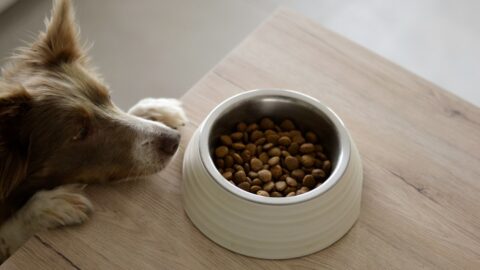
When the FDA opened its investigation into potential links between diet and DCM in 2018, the media coverage was immediate and severe. Grain-free dog food, which often substitutes peas, lentils, and chickpeas for grains, was blamed for taurine deficiency. The logic was simple: legumes bind taurine, the heart muscle cannot function without it, and the heart dilates.
However, the FDA’s own final report, released in 2021, concluded that there was no definitive evidence that grain-free diets cause DCM. While taurine deficiency can cause heart failure in cats and some dogs, it is not the primary driver of the disease in the breeds most commonly affected. The investigation was closed, but the stigma remained. Owners switched brands, added taurine supplements, and watched their dogs continue to decline. The real culprit was hiding in the genetics of the dog itself.
What the MDR1 Mutation Actually Does
The MDR1 gene (Multidrug Resistance 1) codes for a protein called P-glycoprotein. This protein acts as a gatekeeper at the blood-brain barrier and, crucially, in the heart muscle cells. Its job is to pump toxins and certain drugs out of cells before they can cause damage. In breeds like the Australian Shepherd, Collie, and Sheltie, a specific mutation in this gene renders the gatekeeper useless.
When a dog with the MDR1 mutation is given certain heart medications, specifically pimobendan, the drug accumulates in the heart tissue instead of being pumped out. This is not a minor side effect. It fundamentally alters how the heart muscle responds to treatment. The drug, intended to strengthen the heart’s contraction, can actually become toxic, accelerating the very damage it was meant to fix. This is why some dogs on standard heart failure protocols get worse, not better.
Why Standard Heart Medications Fail
Pimobendan is the gold standard for treating canine heart failure. It works by increasing the force of the heart’s contraction and dilating blood vessels to reduce the workload. For most dogs, it is a miracle drug. For MDR1-mutated dogs, it is a double-edged sword. Because their P-glycoprotein is broken, the drug stays in the heart tissue longer and at higher concentrations than intended.
This leads to a phenomenon known as ‘pimobendan toxicity.’ The heart muscle, already struggling, is bombarded with the drug it cannot clear. The result is often a rapid decline in quality of life, increased lethargy, and sometimes sudden death. Yet, because DCM is so common, vets rarely test for the mutation before prescribing. They assume the standard protocol will work. It does not.
The Genetic Reality of Susceptible Breeds
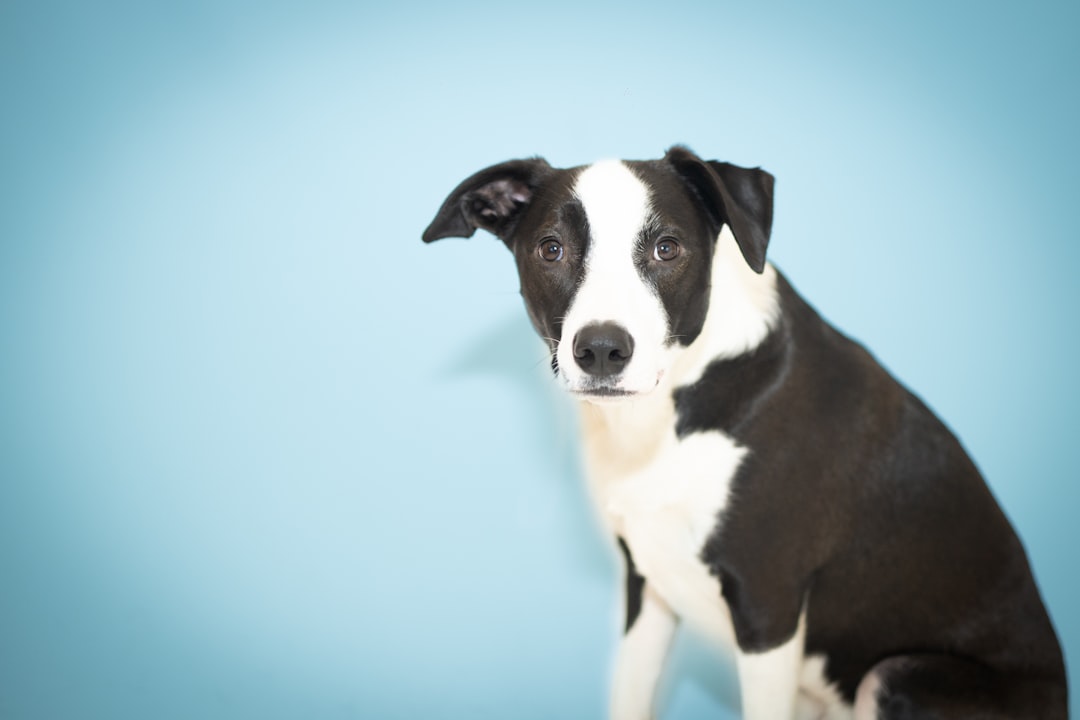
The MDR1 mutation is not rare. It is present in up to 30% of Australian Shepherds, 25% of Collies, and 10% of Shelties. It is also found in some herding mixes, making it a hidden variable in thousands of households. The mutation is inherited in an autosomal recessive pattern, meaning a dog needs two copies of the gene to be fully affected. However, even heterozygous dogs (those with one copy) show altered drug metabolism.
Testing for the mutation is simple. A cheek swab can determine if a dog is clear, a carrier, or affected. For any herding breed showing signs of heart failure, this test should be the first step, not the last. Without it, you are treating a genetic condition with a one-size-fits-all protocol that may be actively harming the animal.
What This Means for Your Dog
If your dog is a herding breed and has been diagnosed with DCM, ask for an MDR1 test. If the result is positive, your vet can adjust the pimobendan dosage or switch to alternative medications that do not rely on P-glycoprotein for clearance. This is not about avoiding treatment. It is about finding the treatment that actually works.
The grain-free scare was a red herring. It distracted us from the genetic reality of our dogs. Heart disease is complex, and treating it requires looking beyond the food bowl. It requires looking at the DNA. Your dog’s heart is not failing because of lentils. It is failing because of a broken gatekeeper, and until we test for it, we are guessing. Don’t guess. Test. Your dog’s life depends on it.
Sources & Further Reading
- FDA Investigation into Diet-Associated Dilated Cardiomyopathy in Dogs: Final Report — U.S. Food and Drug Administration
- MDR1 Gene Mutation in Dogs: A Review of Clinical Significance — VIN (Veterinary Information Network)
- Multidrug Resistance 1 (MDR1) Gene Mutation in Australian Shepherds, Collies, and Shetland Sheepdogs — Cornell University College of Veterinary Medicine
Photo by Céline Druguet on Unsplash.