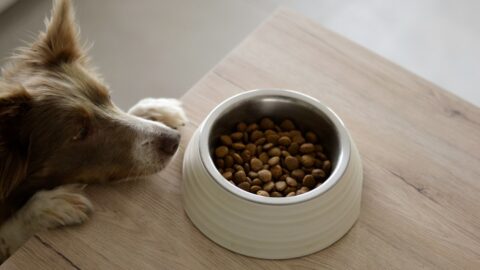
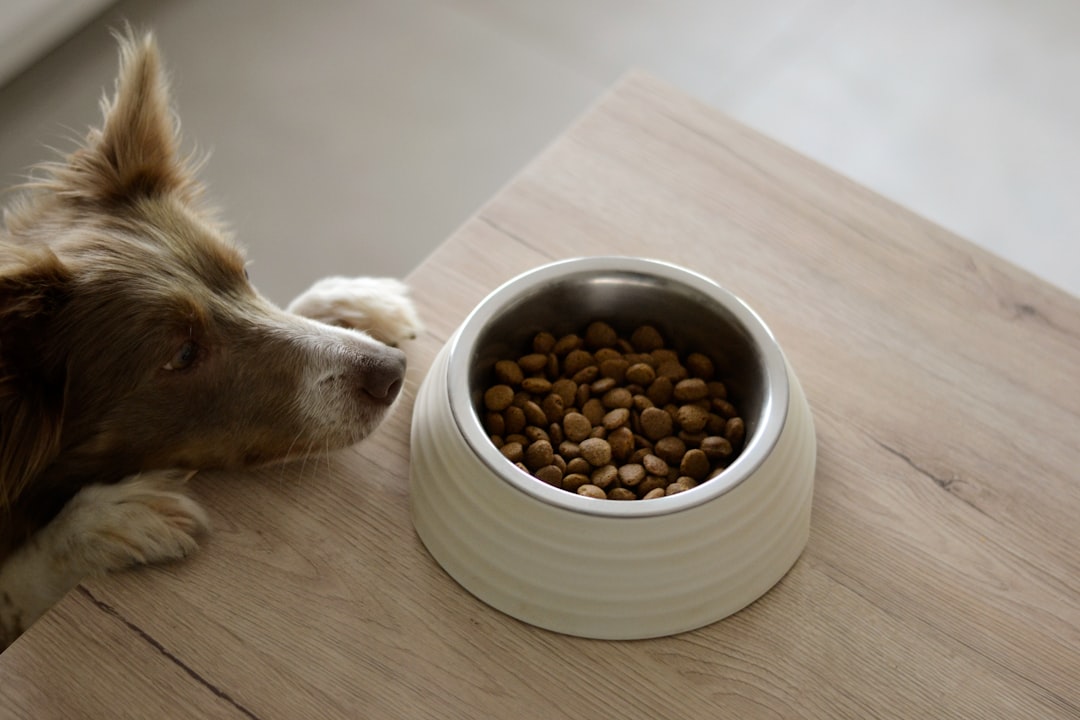
Stop buying the best dog food for allergies. That phrase is a marketing category, not a solution. When you search for the best dog food for sensitive stomach issues or the best dog food for skin allergies, you are looking for a brand. You are not looking for a diagnostic tool. The best dog food for allergies is not a specific recipe on a shelf. It is a strict, time-bound elimination diet that identifies the exact protein or carbohydrate triggering your dog’s reaction. Without this test, every premium food you buy is just a more expensive guess.
When your dog develops a chronic itch, a recurring ear infection, or persistent diarrhea, the instinct is to switch foods immediately. You grab the bag with the fewest ingredients. You buy the limited ingredient diet. You hope the new recipe is the magic bullet. It almost never is. The reason is simple: most limited ingredient diets are still made with the same proteins your dog is allergic to, just in a different format. A chicken recipe is still chicken. A duck recipe is still duck. If your dog is allergic to chicken, switching from a chicken-based kibble to a duck-based kibble does nothing. It just changes the flavor of the inflammation.
This is why the search for the best dog food for diarrhea often leads owners down a rabbit hole of expensive, ineffective products. They are treating the symptom, not the cause. The solution is not a better brand. The solution is a controlled experiment. You need to feed your dog a single, novel protein and carbohydrate source for eight to twelve weeks. You do not introduce any other foods, treats, or flavored medications during this period. This is the only way to isolate the trigger.
Why Limited Ingredient Diets Fail the Test
The failure of most commercial limited ingredient diets comes down to two factors: ingredient overlap and manufacturing cross-contamination. Let’s look at the first. If your dog is allergic to chicken, you might think a rabbit-based diet is safe. But if your dog has developed a secondary sensitivity to rabbit because they were fed a rabbit recipe for six months as a puppy, the new diet is just as useless. Dogs can develop allergies to almost any protein source given enough exposure. The pool of “safe” proteins shrinks rapidly as owners cycle through different commercial brands.
The second factor is more insidious. Even if the label says “novel protein,” the manufacturing process often violates the promise. A factory that processes chicken, beef, and salmon on the same production line can leave microscopic residues in the equipment. For a dog with a severe immune response, those residues are enough to trigger a flare-up. This is why many veterinary nutritionists recommend prescription hydrolyzed diets for the initial diagnostic phase. In a hydrolyzed diet, the protein is broken down into molecules so small that the immune system cannot recognize them as allergens. It bypasses the allergic response entirely, allowing the skin and gut to heal while you identify the trigger.
However, hydrolyzed diets are not always palatable, and they are expensive. This is where the home-based elimination diet comes in. It requires discipline, but it is the only way to get a clear answer without relying on a prescription. The key is strictness. You cannot give your dog a piece of cheese, a flavored toothpaste, or a single bite of your dinner. Any breach of the diet resets the clock. This is why the best dog food for skin allergies is not a product, but a protocol. It is a period of absolute dietary control.
How to Run an Elimination Diet at Home
Running an elimination diet is not about finding the best dog food for upset stomach moments. It is about finding the specific ingredient that causes the upset. Here is how you do it, step by step, without a vet prescription.
Step 1: Choose a Novel Protein and Carbohydrate
You need a protein and carbohydrate source your dog has never eaten before. This is harder than it sounds. If your dog has ever eaten duck, even in a treat, duck is off the table. Common novel proteins include rabbit, venison, kangaroo, or insect protein (like cricket flour). Common novel carbohydrates include sweet potato, squash, or oatmeal. The goal is to find a combination that is biologically unfamiliar to your dog’s immune system. If you cannot find a commercial diet that fits this criteria, you may need to cook a home-cooked diet using a single protein and a single carbohydrate source, ensuring no other ingredients are added.
Step 2: Feed Exclusively for Eight to Twelve Weeks
Once you have selected your novel diet, feed it exclusively. No treats. No flavored medications. No table scraps. If your dog needs medication, ask your vet for a liquid formulation without flavoring, or crush unflavored tablets into a small amount of the diet. This period must be uninterrupted. The skin and gut need time to stop the inflammatory response. It takes weeks for the itching to subside and for the diarrhea to resolve. Do not switch back to the old food if you see improvement in the first two weeks. Wait the full twelve weeks.
Step 3: The Reintroduction Phase
This is the part most owners skip, and it is why they never find the real answer. After twelve weeks, if your dog’s symptoms have resolved, you begin the reintroduction phase. You introduce the old food back into the diet. Start with 25% old food and 75% novel diet for three days. If symptoms return, you have found your trigger. If no symptoms return, increase the old food to 50% for three days. Then 75%. Then 100%. If symptoms flare up during this phase, you know the old food contains the allergen. If no symptoms return after a full week on 100% old food, you may have been dealing with a non-food issue, such as environmental allergies or a parasite.
This process is tedious. It requires patience. But it is the only way to stop guessing. When you know the trigger, you can avoid it. You can then choose the best dog food for diarrhea or the best dog food for skin allergies that excludes that specific ingredient. You are no longer buying a brand. You are buying a specific nutritional profile tailored to your dog’s immune system.
Reading Labels for Hidden Triggers
Once you have identified the trigger, you need to know how to read labels to avoid it in the future. This is where the search for the best dog food for sensitive stomach issues becomes a skill. You need to look beyond the front of the bag. The ingredients list is your map. Look for the trigger protein. If your dog is allergic to chicken, avoid any food that lists chicken, chicken meal, chicken fat, or chicken by-product meal. But also watch for hidden sources. Yeast extract might be derived from a chicken base. Flavors might be derived from animal by-products. Gelatin might be derived from pork or beef.
For dogs with severe sensitivities, even the manufacturing process matters. Look for brands that use dedicated facilities or dedicated production lines. This reduces the risk of cross-contamination. It also means paying a premium. But paying a premium for a food that triggers an immune response is a waste. Paying a premium for a food that keeps your dog comfortable is an investment. The best dog food for allergies is not the most expensive food. It is the one that matches your dog’s specific biological needs.
Many owners find that once they identify the trigger, they can switch to a high-quality, grain-inclusive diet that includes the trigger protein, as long as the protein source is different. For example, if your dog is allergic to chicken, a turkey-based diet might be perfectly fine. The key is to avoid the specific protein that caused the reaction. This opens up a wider range of options than the limited ingredient diets offer. You are no longer restricted to novel proteins. You can choose a diet based on nutritional quality, palatability, and price, as long as it excludes the trigger.
When Food Is Not the Problem
Not all itching and digestive issues are food-related. Environmental allergies, such as pollen, dust mites, or mold, can cause the exact same symptoms. Parasites, such as fleas or mites, can cause severe skin reactions. If your dog’s symptoms do not resolve after a strict twelve-week elimination diet, you need to look elsewhere. A veterinary dermatologist can perform intradermal testing or blood tests to identify environmental allergens. This is not a failure of the diet. It is a clarification. It tells you that the problem is not in the bowl, but in the environment.
However, for the many dogs that do respond to an elimination diet, the relief is profound. The itching stops. The ear infections clear. The diarrhea resolves. The dog’s quality of life improves dramatically. This is why the elimination diet is the gold standard for diagnosing food allergies. It is a diagnostic tool. It requires time, effort, and strict adherence. But it is the only way to find the best dog food for allergies, the best dog food for sensitive stomach issues, or the best dog food for skin allergies. It is the only way to stop guessing and start solving.
When you search for the best dog food for diarrhea, or the best dog food for upset stomach, remember that the answer is not on the shelf. It is in the bowl. And it is found through a process of elimination, not a process of selection. Your dog’s health depends on it. Your wallet depends on it. And your peace of mind depends on it. Start running the test. The answer is waiting.
Sources & Further Reading
- AAFCO vs WSAVA: How to Read a Dog Food Label Without Marketing Distractions — Kennelside
- Dog Food Labels: How to Read Them — American Veterinary Medical Association
Photo by Ayla Verschueren on Unsplash.