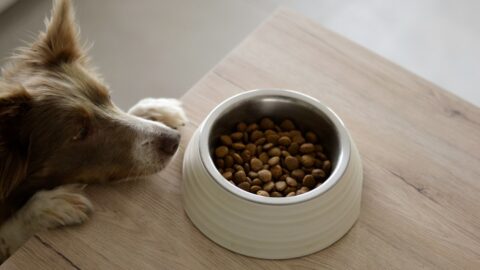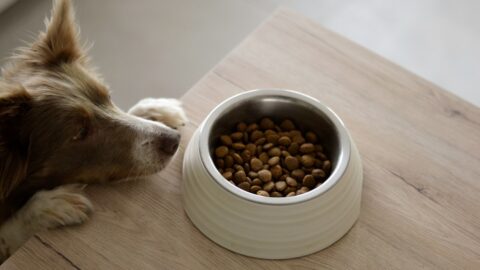
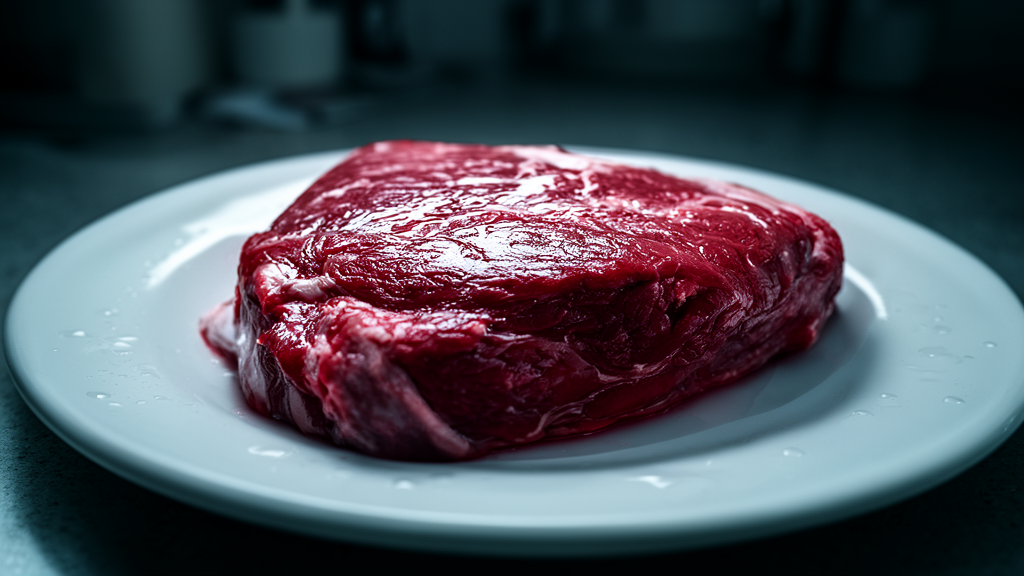
Raw feeding is not a natural diet. It is a human aesthetic choice that turns dogs into accidental carriers of antibiotic-resistant bacteria, and the science backing that claim is far from theoretical. When you feed your dog raw meat, you are not returning them to nature. You are feeding them a pathogen delivery system that the dog’s digestive tract was never designed to handle.
The argument for raw feeding usually sounds like this: dogs are wolves, wolves eat raw meat, therefore raw meat is the most natural diet for a domestic dog. It is a clean, intuitive argument. It is also wrong on three separate biological levels, and it ignores the actual evolutionary history of how dogs became domesticated.
Dogs did not evolve by eating raw meat. They evolved by eating human scraps. The genetic shift that allowed dogs to thrive alongside humans involved the duplication of the AMY2B gene, which codes for amylase, the enzyme that breaks down starch. Dogs have up to 30 copies of the AMY2B gene, compared to just two in wolves. This genetic adaptation allowed early dogs to survive on the starchy, cooked scraps of human settlements. They did not survive by hunting raw prey. They survived by eating what humans threw away, including grains and cooked vegetables. The raw feeding argument assumes dogs are still wolves. They are not. They are domesticated animals with a genetic history that includes processing carbohydrates.
The second biological problem with raw feeding is the digestive tract itself. Dogs have shorter digestive tracts than humans, but they are not built to handle raw meat safely. The stomach acid of a dog is more acidic than that of a cat, but it is still not strong enough to kill the pathogens commonly found in raw meat. Salmonella, E. coli, and Listeria are routinely found in raw pet food. A study by the FDA found that 16% of raw pet food samples contained Salmonella, and 7% contained Listeria. These are not rare occurrences. They are the baseline.
When a dog eats raw meat, they may not get sick. The dog’s immune system can often handle the bacterial load. But the dog becomes a carrier. The bacteria pass through the dog’s system and end up in their feces, their saliva, and on their fur. When you pet your dog, kiss your dog, or let your dog lick your face, you are exposing yourself and your family to those pathogens. This is not a theoretical risk. It is a documented one.
The third problem is the antibiotic resistance crisis. The meat used in raw feeding often comes from animals raised in industrial farming conditions, where antibiotics are used prophylactically to prevent disease. These antibiotics leave behind antibiotic-resistant bacteria. When a dog eats this meat, they ingest those resistant bacteria. The bacteria can then transfer to humans through close contact. This is not a minor side effect. It is a major public health concern that the veterinary community has been warning about for years.
The American Veterinary Medical Association (AVMA) has a clear position on raw feeding. They state that raw diets pose a significant risk to both pets and their owners due to the potential for bacterial contamination. They recommend against feeding raw meat, bones, or unpasteurized milk. This is not a fringe opinion. It is the position of the primary professional organization for veterinarians in the United States.
So why do people feed raw? The marketing is powerful. It promises shinier coats, cleaner teeth, and more energy. These are real benefits, but they are not unique to raw food. A high-quality commercial diet can provide the same benefits without the risk. The shiny coat comes from the fat content, which is present in many commercial foods. The cleaner teeth come from the mechanical action of chewing, which can be achieved with dental chews or regular brushing. The energy comes from high-quality protein, which is also available in cooked, commercial diets.
The raw feeding community often points to the fact that dogs do not get sick from raw meat. This is true, but it is a false sense of security. The dog may not get sick, but the humans in the household might. The risk is not to the dog. It is to the people who love the dog. Children, the elderly, and immunocompromised individuals are at the highest risk. A single exposure to Salmonella from a raw-fed dog’s saliva can lead to a serious infection in these vulnerable populations.
The bone argument is another common defense. Raw feeders claim that bones clean teeth and provide calcium. This is also misleading. Cooked bones splinter and can cause internal damage. Raw bones are harder, but they can still fracture teeth. The American Veterinary Dental College recommends against feeding whole bones to dogs. The risk of dental fracture is real, and the cost of treating a broken tooth is far higher than the cost of a professional dental cleaning.
What about the nutritional balance? Many raw diets are nutritionally incomplete. They lack the precise balance of calcium, phosphorus, and other minerals that dogs need. A study by the University of California, Davis, found that 95% of commercially available raw diets were nutritionally incomplete or unbalanced. This means that even if the raw feeding community could solve the bacterial problem, they would still be feeding their dogs a suboptimal diet. The risk of nutritional deficiency is real, and it can lead to long-term health problems that are far more damaging than any theoretical benefit of raw feeding.
The solution is not to feed your dog nothing. The solution is to feed your dog a diet that is both safe and nutritionally complete. High-quality commercial diets are formulated to meet the AAFCO (Association of American Feed Control Officials) standards for your dog’s life stage. They are cooked to kill pathogens, balanced to provide the correct nutrients, and tested for consistency. They are not perfect, but they are far safer than raw food.
If you are concerned about your dog’s diet, talk to your veterinarian. Do not rely on social media influencers or marketing claims. The science is clear. Raw feeding is not a natural diet. It is a risky choice that puts your dog, your family, and the broader community at risk. The benefits are real, but they are not unique to raw food. The risks are unique to raw food, and they are severe.
The bottom line is simple. Dogs are not wolves. They are domesticated animals that evolved to eat human scraps. Feeding them raw meat is not returning them to nature. It is ignoring the science of their evolution and the risks of bacterial contamination. The AVMA, the FDA, and the UC Davis Veterinary School all agree. Raw feeding is not safe. It is not natural. It is not necessary. Feed your dog a high-quality commercial diet, and you will be giving them the best possible nutrition without the risk.