
You open a bag of kibble, pour the recommended amount into a bowl, and tell yourself you are doing the right thing. The bag has a feeding chart on the back, and you follow it to the letter. Your dog eats, you feel good, and three months later the dog’s ribs are buried under a layer of fat that no amount of walking will shift. The feeding chart is not lying. It is just answering a different question than the one you asked.
Standard dog food feeding charts are designed to maintain a dog at a body condition score of 5 out of 9, which is the middle of the scale. That sounds neutral. In practice, it means the dog is overweight. The charts are calibrated to keep dogs at a level where they carry excess weight, not where they are lean. When you follow the chart, you are not feeding a healthy dog. You are feeding an obese one, slowly and consistently.
The problem starts with the math. The average modern dog does not burn the calories the chart assumes. A decade ago, a dog might have walked five miles a day, worked a farm, or chased a ball in a large yard. Today, most dogs sit in cars, sit on couches, and sit in houses. The energy expenditure has dropped, but the caloric intake has not. The feeding chart has not been updated to reflect this change in lifestyle. It assumes a baseline activity level that simply does not exist for the majority of pet dogs.
The 25% Rule is a simple adjustment. You take the amount the bag recommends, and you reduce it by a quarter. If the bag says one cup, you give three-quarters of a cup. This is not a drastic reduction. It is a correction. It brings the dog back to the lean body condition score the chart was originally designed to support, rather than the overweight score it actually produces.
Why does this matter? Because excess weight is not just cosmetic. It is a medical condition that shortens life, degrades quality of life, and accelerates the onset of chronic diseases. A one study in the Journal of Veterinary Internal Medicine found that lean dogs live, on average, 1.8 years longer than overweight dogs. That is not a marginal difference. That is nearly two full years of life. Those are years of walks, play, and companionship that are lost to joint stress, respiratory strain, and metabolic disease.
Another study, published in the Journal of the American Veterinary Medical Association, showed that obesity in dogs is linked to a higher incidence of diabetes, arthritis, and certain cancers. The data is clear: keeping a dog lean is one of the most effective things you can do to extend its life. Yet most owners are following instructions that actively work against this goal.
The feeding chart is a starting point, not a rule. It is a mathematical abstraction that assumes a dog burns a certain number of calories per day. That assumption is wrong for most dogs. The 25% Rule is a practical correction that accounts for modern life. It is not a guess. It is a response to the gap between what the chart assumes and what the dog actually does.
How do you know if your dog is overweight? The body condition score is the standard tool. A score of 5 is the middle of the scale, but it is not the ideal. The ideal is a score of 3 or 4. At a score of 3, you can feel the ribs without pressing hard, and you can see a waist when you look from above. At a score of 5, the ribs are covered by a layer of fat, and the waist is gone. If you are following the feeding chart and your dog is at a 5 or 6, the chart is feeding your dog to obesity.
Reducing the food by 25% is not starvation. It is a return to the baseline. It is the difference between feeding a dog to maintain a healthy weight and feeding a dog to maintain an unhealthy one. The bag is selling you a product. The chart is designed to sell more of that product. The 25% Rule is how you take back control.
This is not a radical idea. It is a basic principle of energy balance. If you consume more calories than you burn, you gain weight. If you consume fewer, you lose it. Dogs are not exempt from this law. The feeding chart is a relic of a time when dogs were more active. The 25% Rule is a recognition of the present.
Start by reducing the food. Watch the dog. Feel the ribs. Adjust from there. The chart is a guide, not a gospel. The 25% Rule is a tool. Use it.
How to Calculate the 25% Reduction
Take the number on the bag. Multiply it by 0.75. That is your new daily amount. If the bag says 2 cups, give 1.5 cups. If it says 1 cup, give 0.75 cups. This is not a rough estimate. It is a precise calculation. It is the difference between feeding a dog to health and feeding a dog to disease.
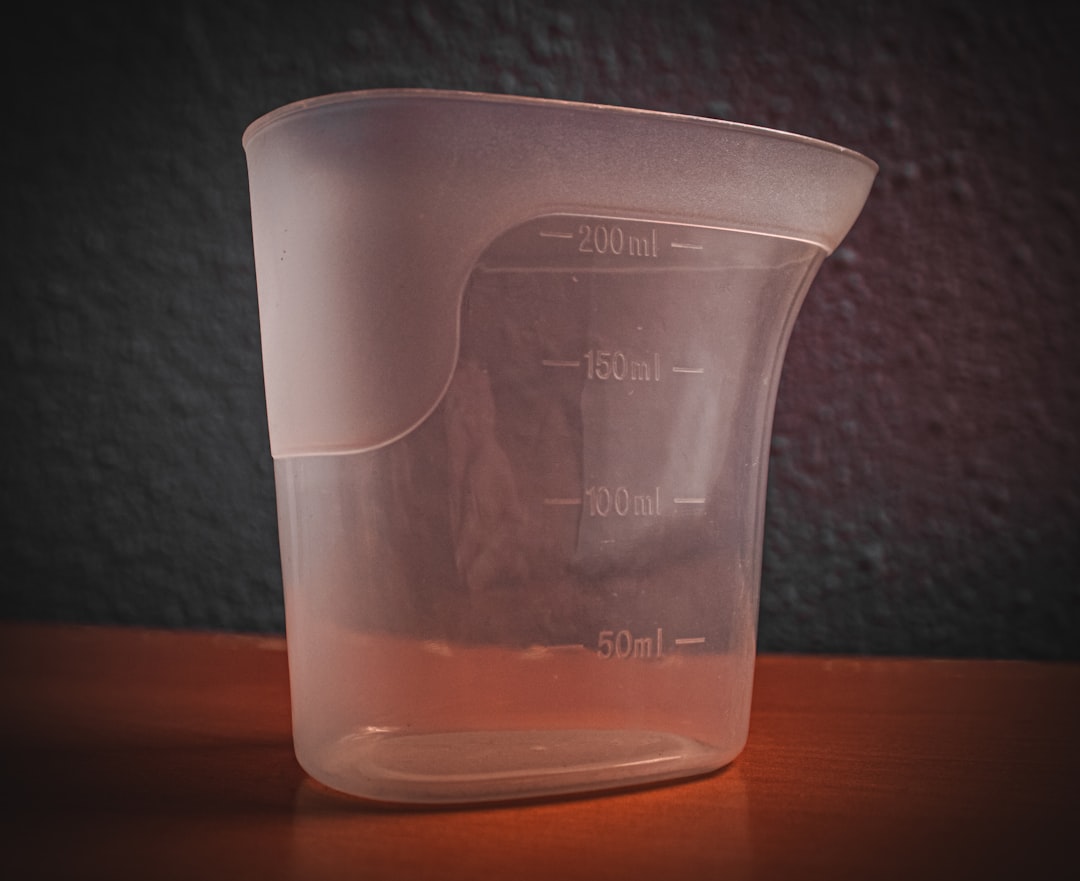
Do not guess. Do not eyeball it. Use a measuring cup. The difference between a half-cup and a full-cup is the difference between a lean dog and an obese one. The bag is not your friend. The chart is not your friend. The 25% Rule is your friend.
When the 25% Rule Does Not Apply
There are exceptions. Working dogs, hunting dogs, and dogs with high-energy jobs may need more food. Puppies, pregnant dogs, and dogs with certain medical conditions may also need different amounts. The 25% Rule is for the average pet dog. If your dog is an athlete, a working dog, or has a medical condition, consult a veterinarian. But for the vast majority of dogs, the 25% Rule is the correct starting point.
The Cost of Ignoring the 25% Rule
Obesity is not just a cosmetic issue. It is a medical crisis. It leads to diabetes, arthritis, respiratory problems, and cancer. It shortens life. It degrades quality of life. It is a silent killer that most owners do not see until it is too late. The 25% Rule is how you prevent it. It is how you give your dog a longer, healthier, more active life.
How to Transition to the 25% Rule
Do not switch overnight. Reduce the food gradually over a week. Start by reducing the amount by 10%. Then 15%. Then 25%. This gives the dog time to adjust. It also gives you time to monitor the dog’s weight. If the dog loses weight too quickly, increase the food slightly. If the dog does not lose weight, decrease it further. The 25% Rule is a starting point, not a final answer. It is a tool to be refined.
Why Feeding Charts Are Wrong
Feeding charts are based on old data. They assume a level of activity that most dogs do not have. They are designed to sell more food, not to keep dogs healthy. The 25% Rule is a correction. It is a response to the gap between the chart and reality. It is how you feed your dog to health, not to obesity.
What the Research Says
Research confirms that lean dogs live longer, healthier lives. The 1.8-year extension is not a marginal benefit. It is a massive improvement in quality and quantity of life. The 25% Rule is how you achieve this.It is a fact. It is how you feed your dog to health.
Final Thoughts
The feeding chart is a relic. The 25% Rule is the future. Use it.
FAQ
Is the 25% Rule safe for all dogs? It is safe for the average pet dog. Working dogs, puppies, and dogs with medical conditions may need different amounts. Consult a veterinarian for these cases.
How do I know if my dog is overweight? Use the body condition score. If you cannot feel the ribs without pressing hard, or if the dog has no waist, it is overweight. A score of 5 or higher is overweight.
Will my dog be hungry if I reduce the food? Most dogs adjust quickly. They are not starving. They are returning to a healthy weight. If the dog seems hungry, increase the food slightly, but do not go back to the chart.
How long does it take to see results? You should see weight loss within a few weeks. Monitor the dog’s weight and adjust the food as needed.
Sources & Further Reading
- Effects of Dietary Restriction on Lifespan and Age-Related Pathology in Dogs — Journal of the American Veterinary Medical Association
- Body Condition Scoring in Dogs and Cats — VIN (Veterinary Information Network)
- Canine Obesity: A Growing Epidemic — American Veterinary Medical Association
Photo by Mark Owen Wilkinson Hughes on Unsplash.