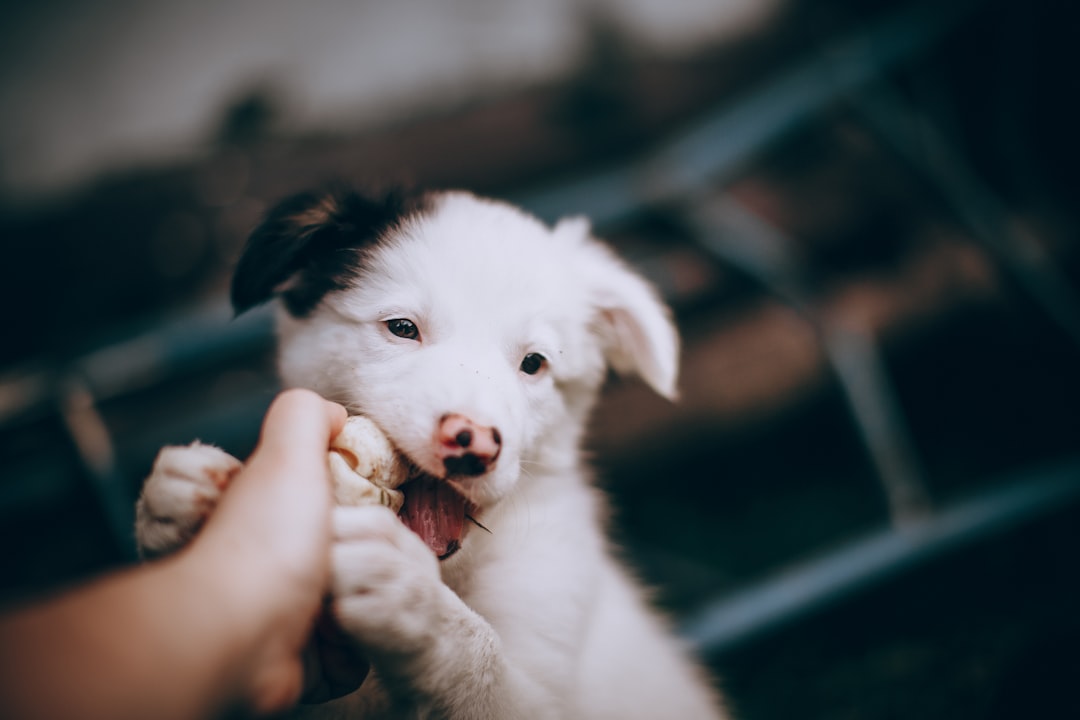
The puppy is a blur of teeth and enthusiasm, pinning your hand to the sofa cushion. There is no malice in the snarl, only the frantic, joyous energy of a creature discovering its own power. You pull back, and the puppy chases. You freeze, and the puppy whines, confused by the sudden silence. This is the moment every new puppy owner dreads: the moment they realize their adorable bundle of fluff is also a tiny, sharp-toothed predator who does not yet understand the limits of his own strength.
This is not aggression. This is a missing bite inhibition protocol. Your puppy is not trying to hurt you; he is trying to learn how to be a dog, and he is using you as the primary textbook. The solution is not to suppress the behavior, but to teach the specific mechanics of puppy mouthing so he learns to control the force of his own jaws before those adult teeth fully set in.
The Myth of the Aggressive Puppy
When a puppy bites, the immediate, instinctive reaction for most owners is to yell, pull away, or physically correct the behavior. This is a fundamental misread of the signal. In the canine world, a bite is rarely an act of war, especially in a puppy under six months old. It is a communication tool, a way of exploring texture, testing boundaries, and initiating play.
Aggression is characterized by tension, a fixed gaze, raised hackles, and a specific intent to cause harm or defend a resource. A biting puppy displays none of these. He is loose, bouncy, and often making play sounds. When you treat this exploratory mouthing as a dominance issue or a character flaw, you are speaking a different language than the puppy is using. You are trying to stop a conversation he is just learning to have.
The goal is not to stop the puppy from using his mouth. The goal is to teach him that human skin is fragile, and that when he applies too much pressure, the interaction ends. This is the core of bite inhibition.
The Bite Inhibition Protocol
Teaching a puppy to control his bite is a step-by-step process that relies on immediate, consistent feedback. You are not punishing the puppy; you are providing clear data about what happens when he crosses the line. The protocol is simple, but it requires you to be the boring, predictable referee of your puppy’s play.
Step 1: The Yelp and the Freeze. When the puppy’s teeth make contact with your skin, let out a sharp, high-pitched “Ouch!” or a yelp that mimics the sound of another puppy getting hurt. Immediately stop all movement and withdraw your hand. Do not pull away quickly, as this triggers the prey drive. Just go limp and silent. This teaches the puppy that pain equals the end of fun. Most puppies will pause, ears back, realizing the game is over. This is the first lesson.
Step 2: The Redirection. Once the puppy has paused, offer an appropriate alternative. A tug toy, a rope, or a chew item. When he takes the toy, praise him and resume play. This teaches him what he *can* bite. If he continues to target your hands despite the pause and redirection, the play session is over. Stand up, turn your back, and remove yourself from the room for thirty seconds. This is the timeout. It is not a punishment; it is a natural consequence of his choice.
Step 3: The Consistency Loop. You must do this every single time. If you allow the biting on Monday but correct it on Tuesday, you are teaching the puppy that the rules are random, which only increases his anxiety and his biting. The feedback must be as predictable as a light switch. On, off. On, off.
Over the next few weeks, you will notice a shift. The puppy will start to hold your hand in his mouth without clamping down. He will learn to use his tongue and his lips to explore you gently. This is the hallmark of a well-socialized dog. He is learning that he has control over his own body, and that he can interact with you without causing harm.
When to Worry About the Biting
While most puppy biting is normal, there are specific signs that indicate the behavior is veering into something more concerning. If your puppy is not just mouthing, but actually drawing blood, growling with a stiff body, or fixating on your hands with a hard stare, you are dealing with fear-based aggression or a lack of socialization, not just playful biting.
In these cases, the bite inhibition protocol must be paired with a broader socialization strategy. You may need to consult a certified professional dog trainer or a veterinary behaviorist to help you navigate the underlying fear. But for the vast majority of puppies, the biting is simply a lack of training, not a lack of love.
Building a Socialization Plan for Fearful Puppies
While bite inhibition handles the mouth, socialization handles the mind. A puppy who is fearful or reactive around other dogs or people needs a different, equally structured approach. Socialization is not about forcing your puppy to interact with everything he sees. It is about building positive associations with the world, one step at a time.
The Distance Game. Start with your puppy at a distance from the trigger, a stranger, another dog, a loud noise. If he remains calm, toss high-value treats. Do not let him approach the trigger. Let the trigger come to him, or let him observe from a safe distance. This teaches him that scary things predict good things.
The Look at That Game. When your puppy notices the trigger, mark the moment with a happy “Yes!” and reward him. You are teaching him to look at the trigger and then look back at you for a reward. This builds a habit of checking in with you rather than fixating on the scary thing. Over time, the trigger becomes less scary because it is associated with your praise and his treats.
Controlled Exposure. As your puppy becomes more comfortable, gradually decrease the distance. But never rush this. If your puppy shows signs of stress, panting, yawning, lip licking, or freezing, go back to a greater distance. Socialization is a marathon, not a sprint. The goal is to create a puppy who is curious about the world, not one who is terrified of it.
By combining the bite inhibition protocol with a thoughtful socialization plan, you are not just managing your puppy’s behavior. You are building the foundation of a confident, well-adjusted adult dog. You are teaching him how to communicate, how to respect boundaries, and how to navigate a human world with his teeth. That is a gift that will last a lifetime.
Frequently Asked Questions
Is it normal for my puppy to bite everything?
Yes. Puppies explore the world with their mouths, just like human babies explore with their hands. This is a natural developmental stage, not a sign of bad behavior.
How long does the biting phase last?
Most puppies significantly reduce their biting by six months of age, once their adult teeth have fully erupted and they have had consistent feedback. Some breeds may continue to mouth more than others, but the force should always decrease.
Should I use bitter spray to stop biting?
Bitter sprays can be a helpful tool for redirecting chewing on furniture, but they are not a substitute for teaching bite inhibition. Your puppy needs to learn the social consequence of biting, not just the taste of the spray.
What if my puppy bites despite the protocol?
If your puppy continues to draw blood or shows signs of fear-based aggression, consult a certified professional dog trainer. There may be an underlying issue that requires a more specialized approach.
Sources & Further Reading
- Puppy Biting and Mouthing: How to Stop It — ASPCA
- Bite Inhibition in Dogs — Veterinary Partner
- Socialization for Puppies and Dogs — ASPCA
Photo by Helena Lopes on Unsplash.