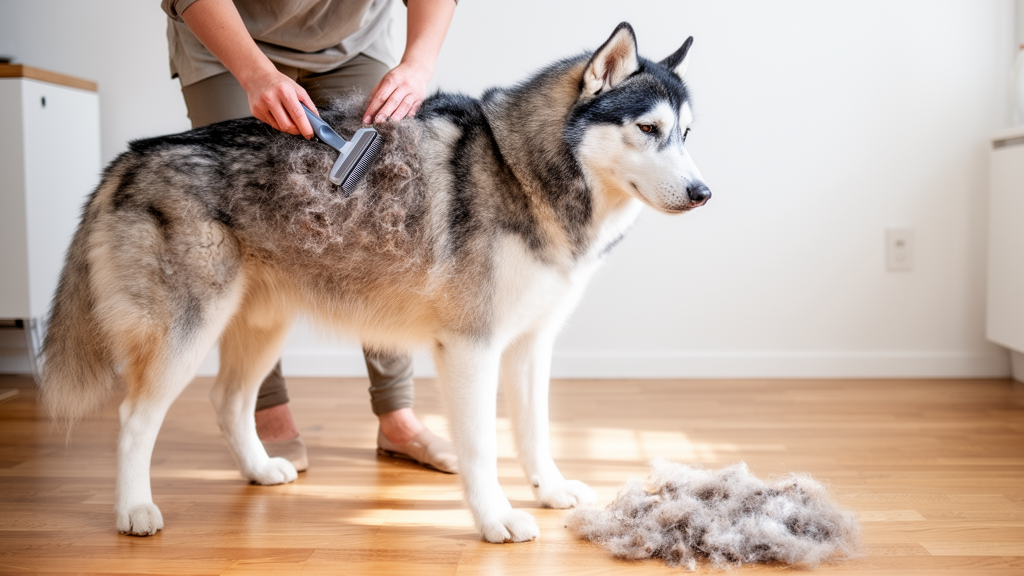
Double-coated dogs shed year-round. Not in seasonal waves, not in predictable clumps, but in a steady, quiet drip that makes owners believe the coat is broken, the dog is unwell, or they are doing something wrong. The truth is simpler and less dramatic: the undercoat does not shed in waves. It sheds continuously, and the guard hairs trap that undercoat until the dog moves, rubs, or gets brushed. The result is not a shedding problem. It is a climate-regulation system operating exactly as it evolved to.
That distinction matters because most owners treat the symptom, not the mechanism. They buy deshedding shampoos, they brush aggressively, they shave the dog in summer, and they wonder why the coat grows back patchy or why the dog seems colder in winter. The double coat is not a defect to be managed. It is a functional system. Understanding how it actually works changes every grooming decision from reactive to proactive.
The Two-Layer Architecture: What Each Coat Actually Does
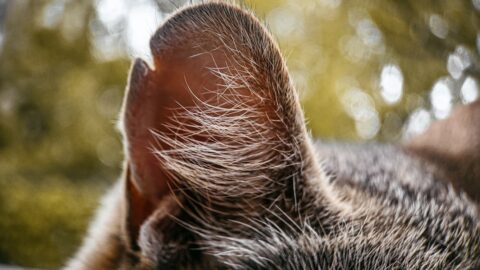
A double coat consists of two distinct layers that serve different purposes. The outer layer, called guard hairs or the topcoat, is longer, coarser, and water-resistant. These hairs form the visible surface of the coat and provide the primary barrier against weather, debris, and UV exposure. The inner layer, the undercoat, is shorter, denser, and insulating. It sits close to the skin and traps air to regulate body temperature.
The guard hairs do not shed in cycles. They grow to a genetically predetermined length, then fall out individually as part of normal wear and tear. The undercoat, however, operates on a different timeline. It grows in density during cooler months, then thins gradually as temperatures rise. This thinning process is continuous, not seasonal. The dog is shedding undercoat hairs every single day, but because the guard hairs cover them, the owner rarely sees it until the dog rubs against furniture, rolls on the floor, or gets brushed.
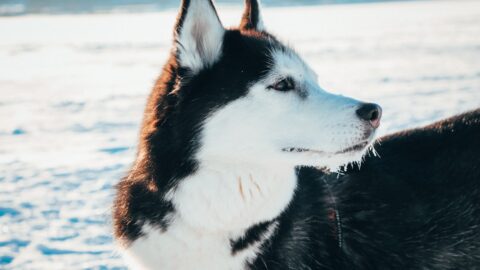
This continuous shedding pattern is why double-coated breeds like Golden Retrievers, Siberian Huskies, German Shepherds, and Norwegian Elkhounds appear to shed constantly. They are not shedding more than other dogs. They are shedding in a way that is hidden by the topcoat. The guard hairs act as a net, catching the loose undercoat until physical movement dislodges it. That is why you see clumps of fur on your couch after the dog has been lying there, not because the dog suddenly decided to shed, but because the movement finally released what had been trapped.
Why Shaving a Double Coat Backfires
The most common mistake owners make with double-coated dogs is shaving them. The logic seems sound: less coat means less shedding, less heat retention, and easier maintenance. The reality is the opposite. Shaving a double coat does not reduce shedding. It disrupts the coat’s ability to regulate temperature, damages the hair follicles, and often causes the coat to grow back abnormally.
When you shave a double-coated dog, you remove both the guard hairs and the undercoat. The guard hairs take months to years to grow back, and they often grow back coarser, darker, or in patches. The undercoat, however, grows back faster and often denser than before, creating a coat that is thicker, heavier, and sheds even more than it did originally. This phenomenon is so common that it has a name: post-clipping alopecia, where the coat fails to regrow properly after shaving, and coat dysplasia, where the new growth is structurally different from the original.
More importantly, the double coat is designed to insulate against both cold and heat. The guard hairs reflect sunlight and block UV radiation, while the undercoat traps air to keep the dog cool in summer and warm in winter. Remove the guard hairs, and the dog loses its primary defense against sunburn and heatstroke. The undercoat, now exposed, absorbs more heat rather than reflecting it. This is why double-coated dogs that are shaved often seem hotter in summer, not cooler. They have lost the very mechanism that protects them from overheating.
The American Kennel Club breed standards for double-coated breeds explicitly state that shaving is discouraged. The FCI (Fédération Cynologique Internationale) breed standards reinforce this. The working purpose of these breeds, herding, sled pulling, hunting in Arctic conditions, required a coat that could handle extreme temperature swings. Shaving that coat removes the functional adaptations that breeders spent centuries refining.
The Reset Protocol: How to Manage Continuous Shedding
If the double coat sheds continuously, and shaving makes it worse, what should owners do? The answer lies in understanding the reset protocol: a structured brushing routine that removes loose undercoat before it gets trapped, without damaging the topcoat or disrupting the natural shedding cycle.
The reset protocol works on a simple principle: remove the loose undercoat regularly so it does not build up and mat against the skin. This prevents the guard hairs from trapping so much loose hair, reduces the amount of fur that ends up on your furniture, and keeps the coat functioning as a climate regulator rather than a heat trap.
Here is how to execute the reset protocol:
- Use the right tools. A slicker brush works well for breaking up mats and removing loose guard hairs. An undercoat rake or deshedding tool (like the Furminator) reaches the undercoat without damaging the topcoat. Avoid human combs or fine-toothed brushes, which pull guard hairs and cause discomfort.
- Brush in the direction of hair growth. Start with the guard hairs to loosen any trapped undercoat, then use the undercoat rake to reach the base. Work in small sections, especially around the neck, shoulders, and tail, where undercoat density is highest.
- Brush twice a week during peak shedding. For most double-coated breeds, this means late winter through early summer. During non-shedding months, once a week is sufficient. Do not brush daily unless the dog has severe matting, as over-brushing can stimulate oil production and irritate the skin.
- Follow with a rinse. After brushing, rinse the dog with cool water to wash away the loose undercoat. This prevents the fur from re-depositing on the dog’s skin or your furniture. A final coat conditioner can help smooth the guard hairs and reduce static, which makes future brushing easier.
- Check the skin. While brushing, inspect the skin for redness, hot spots, parasites, or lumps. The undercoat hides these issues, so regular brushing is also a health check. If you find anything unusual, consult a veterinarian.
This protocol does not stop shedding. It manages it. The dog will still shed undercoat hairs continuously. But by removing the loose hair before it gets trapped, you reduce the clumps that end up on your furniture, prevent matting against the skin, and keep the coat functioning as intended. The goal is not zero shedding. The goal is a coat that works.
When the Coat Is Not Working: Health Signals to Watch For
A healthy double coat sheds continuously but remains balanced. The guard hairs grow to their genetic length, the undercoat thins and thickens gradually, and the dog’s skin is clean and free of irritation. When the coat stops functioning properly, it is often a sign of an underlying health issue, not a grooming failure.
Watch for these signals:
- Excessive shedding. If the dog is shedding more than usual, especially if the undercoat is coming out in large clumps or patches, this could indicate stress, nutritional deficiency, thyroid imbalance, or Cushing’s disease. A veterinary checkup can rule out medical causes.
- Dull, dry, or brittle coat. A healthy double coat has a natural sheen. If the coat looks dull, feels dry, or breaks easily, this could signal a fatty acid deficiency, poor-quality diet, or skin infection. Omega-3 and Omega-6 fatty acids are critical for coat health, and a veterinary nutritionist can recommend appropriate supplements.
- Hot spots or bald patches. These are areas of inflamed, infected skin that occur when the undercoat mats against the skin, trapping moisture and bacteria. Hot spots require immediate veterinary attention and often topical antibiotics or antifungals. Preventing them starts with regular brushing and keeping the undercoat loose.
- Changes in coat texture. If the guard hairs grow back coarser, darker, or in patches after shaving, or if the undercoat becomes denser and heavier than before, this is coat dysplasia. It is a direct result of disrupting the natural shedding cycle, and there is no cure other than time. The coat may never return to its original state.
These signals are not grooming failures. They are health signals. A double-coated dog’s coat is a window into its overall health. When the coat stops functioning properly, the dog is telling you something is wrong. The question is whether you listen.
The Honest Limits: When the Reset Protocol Fails
The reset protocol works for most double-coated dogs in most climates. It does not work for every dog, and it does not work in every situation. Understanding the limits of this approach is as important as understanding the protocol itself.
First, the reset protocol assumes a healthy dog with a normal shedding cycle. Dogs with medical conditions, thyroid disease, Cushing’s, allergies, skin infections, will not respond to brushing alone. The underlying health issue must be addressed first. Brushing a dog with active hot spots or severe allergies can worsen the irritation and delay healing.
Second, the reset protocol does not stop shedding. It manages it. If your goal is zero shedding, the reset protocol will fail. Double-coated dogs shed. That is their biology. The protocol reduces the visible impact, but the dog will still shed undercoat hairs continuously. Accepting this reality is part of owning a double-coated breed.
Third, the reset protocol requires time and consistency. Brushing twice a week is not a one-time event. It is a habit. Owners who skip brushing for weeks and then try to catch up with an aggressive session often cause discomfort, stress, and resistance. The dog learns to associate brushing with pain, and the process becomes harder, not easier. Consistency is the only way to make brushing manageable.
Finally, the reset protocol does not work for all breeds. Some double-coated breeds, like the Samoyed or the Keeshond, have extremely dense undercoats that require more frequent and intensive brushing than others. Some mixed-breed dogs inherit double coats without inheriting the full grooming needs, leading to unpredictable shedding patterns. There is no one-size-fits-all solution. The protocol must be adapted to the individual dog.
Why This Matters Beyond the Grooming Table
Understanding the double coat as a climate regulator, not a shedding problem, changes how you see your dog. It changes how you brush, how you dress, how you exercise, and how you interpret the fur on your furniture. It shifts the focus from control to cooperation. You are not fighting the coat. You are working with it.
This shift matters because it reduces stress for both you and your dog. When you understand that shedding is continuous, not a malfunction, you stop panicking when you see fur on your clothes. When you understand that shaving damages the coat, you stop reaching for the clippers. When you understand that the reset protocol is about management, not elimination, you stop chasing perfection and start building sustainable habits.
The double coat is not a flaw. It is a masterpiece of evolutionary engineering. It keeps the dog warm in winter, cool in summer, protected from the elements, and insulated against temperature swings. It requires maintenance, yes, but that maintenance is not a burden. It is a privilege. You get to work with a system that has been refined over thousands of years of selective breeding. The least you can do is respect it.
So the next time you see a clump of undercoat on your couch, do not panic. Do not reach for the shampoo, the razor, or the guilt. Your dog is not broken. The coat is not broken. The system is working exactly as it was designed to work. Your job is not to stop the shedding. Your job is to help the coat do its job. Brush regularly. Keep the undercoat loose. Watch for health signals. Accept the shedding. And trust that the double coat knows what it is doing.