Everyone agrees that brushing your double-coated dog removes loose fur. Nobody mentions that standard brushes actually trap the undercoat against the skin, creating a dense mat that holds moisture, blocks airflow, and turns a seasonal shed into a permanent dermatological hazard. The goal of grooming is not to move hair from point A to point B. The goal is to clear the airway of the skin so the dog can thermoregulate, and most owners are actively suffocating their pets in the name of cleanliness.
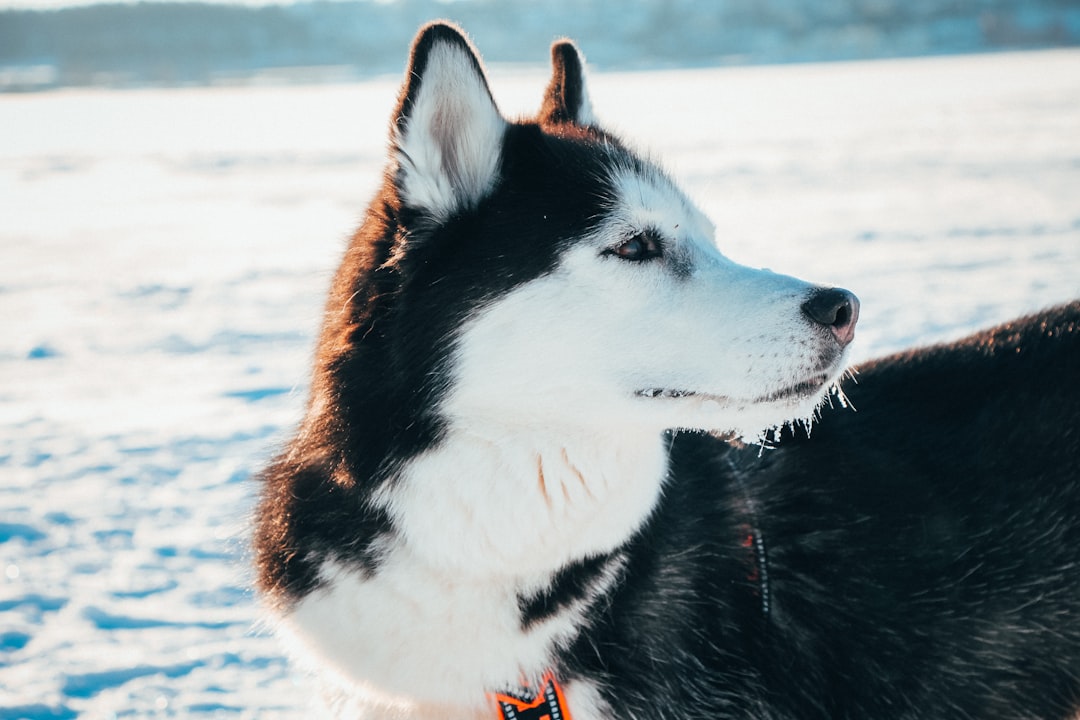
Double-coated breeds like the Siberian Husky, the German Shepherd, the Golden Retriever, and the Samoyed carry two distinct layers of hair. The guard coat is the long, coarse outer layer that sheds water and deflects UV light. The undercoat is the dense, soft, woolly layer that grows close to the skin to provide insulation. This biological architecture is designed to trap air, not to be combed into submission. When you use a standard slicker brush or a pin brush on a double-coated dog, you are not grooming. You are felting.
The undercoat trap is a specific failure mode of grooming tools that occurs when the teeth of a brush are too fine, too flexible, or too densely packed to penetrate the guard coat and grab the loose undercoat. Instead of pulling the dead hair out, the brush pushes it deeper into the dense matting of the living undercoat. The result is a compacted layer of dead hair that sits directly against the skin. This is not shedding. This is a physical barrier that mimics the effects of shaving, but without the visible warning sign.
Understanding why deshedding tools bypass this trap requires looking at the mechanics of the tools themselves, the biology of the double coat, and the specific physical actions required to remove dead hair without damaging the living coat. Once you understand the difference between a brush and a deshedding tool, you will never look at your dog’s grooming routine the same way again.
The Anatomy of a Double Coat
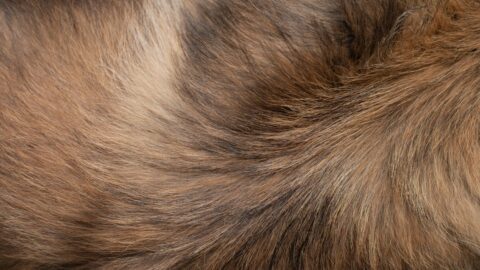
To understand why standard brushes fail, you first have to understand what you are brushing. The double coat is not just “thick fur.” It is a highly engineered climate control system. The guard hairs are hollow or semi-hollow in many breeds, providing additional insulation by trapping air. They are also water-resistant, designed to shed rain and snow. The undercoat, however, is solid, soft, and incredibly dense. It grows in waves, creating a complex mesh that holds a massive volume of air close to the skin.
This mesh is the problem. Because the undercoat is so dense, it sheds continuously, not just seasonally. The dog is constantly producing new undercoat and shedding old undercoat. The old undercoat does not just fall out. It gets caught in the living mesh of the new undercoat. If it is not physically removed, it stays there. It mats. It holds moisture from sweat, rain, or humidity. It creates a warm, damp environment directly against the skin, which is the perfect breeding ground for bacterial and fungal infections.
Many owners mistake this matting for a healthy, thick coat. They see a dog that looks fluffy and assume the dog is warm and well-insulated. In reality, the dog is overheating. The compacted undercoat prevents air from circulating. It prevents the dog from cooling down through convection. It forces the dog to rely solely on panting to regulate temperature, which is inefficient and dangerous in hot weather. The undercoat trap is not just a grooming issue. It is a physiological crisis.
Why Standard Brushes Fail
Standard brushes, including slicker brushes and pin brushes, are designed for single-coated breeds or for finishing the top layer of a double coat. They are not designed to penetrate the dense mesh of the undercoat. A slicker brush has fine, bent wire bristles that are spaced very closely together. When you push a slicker brush through a double coat, the bristles catch the guard hairs and the top layer of the undercoat. They do not reach the deep, compacted layer of dead hair against the skin.
Instead, the brush pushes the dead hair deeper into the mesh. It tangles the guard hairs with the living undercoat. It creates a felted mat that is impossible to remove with a brush. This is the undercoat trap. The more you brush, the tighter the mat becomes. The more you brush, the more you damage the guard hairs, causing them to break and lose their water-resistant properties. The more you brush, the more you irritate the skin, causing inflammation and hot spots.
Pin brushes are slightly better, but they still fail to penetrate the dense undercoat. They are designed to detangle the top layer, not to remove the deep, compacted undercoat. They leave the dead hair trapped against the skin, continuing to cause overheating and skin issues. If you are using a standard brush on a double-coated dog, you are not grooming. You are damaging the coat and trapping the undercoat.
How Deshedding Tools Bypass the Trap
Deshedding tools, such as the Furminator or the Hertzko Self-Cleaning Slicker Brush, work differently. They have a specific blade or tooth design that is engineered to penetrate the guard coat and grab the loose undercoat without damaging the living hair. The key is the length and spacing of the teeth. Deshedding tools have longer, wider-spaced teeth that can reach the deep layer of the undercoat.
When you use a deshedding tool, you are not pulling the guard hairs. You are grabbing the loose undercoat and pulling it out. The tool is designed to cut or grab the dead hair at the root, allowing it to be removed without damaging the living hair. This is the critical difference. A standard brush pulls the living hair. A deshedding tool removes the dead hair. This is why deshedding tools work better than brushes for double-coated breeds.
The action of a deshedding tool is also different. You are not brushing in long, sweeping strokes. You are using short, targeted strokes, following the direction of hair growth. You are applying gentle pressure, just enough to penetrate the guard coat and grab the undercoat. You are not digging into the skin. You are not pulling the guard hairs. You are removing the dead undercoat, layer by layer, without damaging the living coat.
This process takes time. It is not a quick fix. It requires patience and attention. But the results are immediate. You will see large clumps of dead undercoat coming out with every stroke. You will see the guard hairs return to their natural, fluffy state. You will see the skin breathe again. This is not just grooming. This is restoring the dog’s natural climate control system.
The Risks of the Undercoat Trap
Leaving the undercoat trapped against the skin has serious consequences. The most immediate is overheating. A double-coated dog with a compacted undercoat cannot cool down effectively. It will pant excessively, seek out cool surfaces, and avoid exercise. In hot weather, this can lead to heatstroke, which is a life-threatening emergency. If you notice your double-coated dog overheating quickly, check the coat. If it feels dense and matted, the undercoat trap is likely the cause.
The second consequence is skin disease. The compacted undercoat holds moisture, creating a warm, damp environment for bacteria and fungi. This leads to hot spots, yeast infections, and bacterial dermatitis. These infections are painful, itchy, and difficult to treat. They often require antibiotics or antifungal medications, and they can become chronic if the underlying cause is not addressed. The underlying cause is almost always the undercoat trap.
The third consequence is permanent coat damage. When the undercoat is trapped, the guard hairs lose their ability to stand up and repel water. They become flat, greasy, and brittle. They break easily, exposing the skin to UV light and environmental damage. The coat loses its natural luster and texture. In severe cases, the coat may never recover its original thickness and quality. This is called post-clipping alopecia, and it can happen even without shaving, simply from chronic undercoat matting.
How to Groom a Double-Coated Dog Correctly
Grooming a double-coated dog correctly requires the right tools, the right technique, and the right frequency. Start with a high-quality deshedding tool. Do not use a standard brush. Do not use a slicker brush. Use a tool designed specifically for double coats. Follow the instructions that come with the tool, but here are the general guidelines.
First, ensure the coat is completely dry. Never use a deshedding tool on a wet or damp coat. The hair will stretch, and you will pull the living hair instead of the dead undercoat. This will cause pain and damage. Second, use short, targeted strokes. Do not use long, sweeping strokes. Follow the direction of hair growth. Apply gentle pressure, just enough to penetrate the guard coat. Do not dig into the skin. Do not pull the guard hairs.
Third, work in sections. Start with the back, then move to the sides, then the legs, then the tail. Be gentle around sensitive areas, such as the armpits, the groin, and the face. These areas have thinner skin and are more prone to irritation. Use a softer touch and shorter strokes. If your dog resists, stop. Do not force the grooming. Build positive associations with the process.
Fourth, frequency matters. Double-coated dogs shed heavily twice a year, in the spring and the fall. During these “blowing coat” periods, you may need to deshed every day or every other day. During the rest of the year, deshed once a week or once every two weeks. Adjust the frequency based on your dog’s coat condition and shedding level. If the coat looks fluffy and healthy, you are doing it right. If the coat looks dense and matted, you are doing it wrong.
The Honest Limits of Deshedding
Deshedding tools are not a magic wand. They do not stop shedding. They do not eliminate the need for grooming. They do not fix underlying health issues. They are a tool, and like any tool, they must be used correctly. If you use them incorrectly, you will cause damage. If you use them too frequently, you will cause irritation. If you use them on the wrong coat type, you will cause pain.
Deshedding tools are not designed for single-coated breeds. They are not designed for curly coats, such as Poodles or Bichon Frises. They are not designed for long, silky coats, such as Shih Tzus or Yorkies. They are designed specifically for double-coated breeds. If your dog does not have a double coat, do not use a deshedding tool. Use a standard brush instead.
Deshedding tools are also not a substitute for veterinary care. If your dog has skin issues, hot spots, or infections, deshedding will not fix them. You need to see a veterinarian. Deshedding is a maintenance tool, not a treatment. It works best when the dog is healthy and the coat is in good condition. If the coat is already damaged, deshedding may make it worse. In those cases, consult a professional groomer or a veterinarian for advice.
Choosing the Right Deshedding Tool
Not all deshedding tools are created equal. There are many brands and models on the market, and they vary in quality, effectiveness, and safety. Some are designed for small dogs, some for large dogs, some for specific breeds. Choosing the right tool depends on your dog’s size, coat type, and temperament.
For small to medium double-coated breeds, such as Shelties, Collies, or Keeshonds, a smaller deshedding tool is usually best. Look for a tool with shorter, finer teeth that can penetrate the coat without being too aggressive. For large double-coated breeds, such as Huskies, Malamutes, or Great Pyrenees, a larger, more robust tool is necessary. Look for a tool with longer, wider-spaced teeth that can handle the dense undercoat.
Consider the handle as well. A comfortable, ergonomic handle will make grooming easier and less stressful for both you and your dog. Look for a handle that fits your hand comfortably and allows you to apply even pressure. Avoid tools with sharp edges or rough finishes that can irritate your hands or your dog’s skin.
Finally, read reviews from other owners of the same breed. Real-world feedback is invaluable. Look for comments about effectiveness, durability, and ease of use. Avoid tools that are marketed with exaggerated claims or that have a history of causing damage. A good deshedding tool will last for years and make grooming a pleasure, not a chore.
The Payoff: A Healthy, Happy Dog
When you master the art of deshedding, you are not just removing loose hair. You are restoring your dog’s natural ability to regulate its temperature. You are preventing skin diseases and infections. You are preserving the quality and beauty of the coat. You are reducing the amount of hair in your home. You are making grooming a positive experience for both of you.
This is the real value of deshedding. It is about health. It is about comfort. It is about respecting the biology of your dog. Double-coated breeds are not designed to be brushed into submission. They are designed to be maintained with the right tools and the right technique. When you use a deshedding tool correctly, you are working with your dog’s biology, not against it. You are helping your dog live a healthier, more comfortable life. And that is worth every minute of effort.
Sources & Further Reading
- Grooming the Double-Coated Dog — American Kennel Club
- Undercoat and Coat Care — Cornell University College of Veterinary Medicine
- Skin and Coat Health in Dogs — VIN (Veterinary Information Network)
Photo by Jyrki Sorjonen on Unsplash.