You pull the wire brush through your dog’s coat expecting smoothness, and instead you are generating a concentrated charge that lifts every single hair away from the skin. The friction from metal bristles against dry fur creates an electron exchange that turns your dog’s coat into an insulator. The result is a coat that looks fuller than it is, feels brittle, and traps dead undercoat against the skin where it belongs to shed, not stick.
Most grooming guides treat wire brushes as the gold standard for double-coated breeds. They are not. They are a friction engine. When you drag a metal pin through a dry coat, you are not removing loose hair. You are charging the hair shaft. That charge repels the hair from the skin, creating a static barrier that physically prevents the undercoat from releasing. The hair stays anchored in place, trapped by its own electrical charge, until the next grooming session where you repeat the process. The cycle never ends because the tool is designed to create the problem it claims to solve.
The Physics of the Charge
Static electricity is not a minor side effect. It is the primary mechanism of wire brush damage. When two insulating materials rub together, electrons transfer from one surface to the other. Metal bristles are highly conductive, but the air around them is not. As the bristle moves through the keratin of the hair, it strips electrons, leaving the hair positively charged and the bristle negatively charged. Because every hair in the brush’s path receives the same charge, they repel each other. This repulsion lifts the hair away from the skin, creating that fluffy, lifted look you see in the mirror.
This lift is deceptive. It makes the coat look thicker and healthier than it is. In reality, the hair is being pulled away from its follicle by electrostatic force, not by healthy growth. The follicle itself is not being stimulated. The skin is being exposed to the air, losing moisture, and becoming vulnerable to temperature swings. The undercoat, which should be shedding naturally, is being held in place by the charge. This is why double-coated dogs often look like they are shedding constantly, even when they are not actually shedding. The hair is stuck, not falling.
Why Wire Brushes Trap Undercoat
Wire brushes are marketed as the solution for heavy shedders. They are the cause. The tight spacing of the pins, combined with the rigid metal construction, forces the hair to bend and snap against the skin rather than glide through it. This snapping action is what generates the charge. The harder you pull, the more charge you generate. The more charge you generate, the more the hair lifts. The more the hair lifts, the less the undercoat can release.
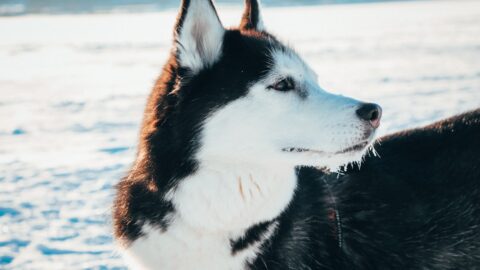
Consider a breed like the German Shepherd or the Siberian Husky. Their undercoat is designed to shed in clumps, triggered by daylight changes, not by friction. When you use a wire brush, you are fighting the biology of the coat. You are trying to force a mechanical release on a biological process. The result is a coat that is overworked, overcharged, and over-stressed. The skin becomes irritated, not because the brush is sharp, but because the static charge is constantly pulling at the follicles. This pulling creates micro-trauma that leads to inflammation, itching, and eventually, hot spots.
The Alternative: Slicker Brushes and De-shedding Tools
If wire brushes create static, what removes it? The answer lies in tools that conduct charge away from the coat, not generate it. Slicker brushes with fine, flexible pins are designed to glide through the hair, not snap against it. The flexibility of the pins allows them to follow the natural curve of the hair, reducing friction. The fine spacing catches loose undercoat without lifting the topcoat. This is the difference between a tool that fights the coat and a tool that works with it.
De-shedding tools, like the Furminator or the Hertzko brush, use a different mechanism. They do not rely on friction to remove hair. They use a blade-like edge to cut the loose undercoat at the skin level. This is a mechanical release, not an electrostatic one. The result is a coat that sheds cleanly, without the static charge that traps hair. The skin is exposed, not pulled. The undercoat is released, not trapped. This is the difference between grooming and damaging.
When Static Is a Sign of Deeper Issues
Static is not just a grooming issue. It is a health signal. A coat that generates excessive static is often a coat that is dry, dehydrated, and lacking in essential fatty acids. The skin is not producing enough natural oils to conduct the charge away. This is why dogs with nutritional deficiencies, thyroid issues, or skin conditions often have coats that crackle and lift. The static is a symptom, not the disease. Fixing the grooming tool will not fix the underlying issue. It will only mask it.
If your dog’s coat is consistently generating static, even after switching to a slicker brush or de-shedding tool, look at the diet. Are they getting enough omega-3 and omega-6 fatty acids? Is their skin producing enough natural oils? Is their thyroid functioning correctly? These are the questions that matter. Grooming is maintenance. Health is the foundation. You cannot groom a dog into health, but you can groom a healthy dog into brilliance.
How to Break the Static Cycle
Breaking the static cycle requires a two-step process. First, remove the wire brush. Replace it with a slicker brush or a de-shedding tool. Second, restore the coat’s natural conductivity. This means adding moisture and oils back into the skin. A simple rinse with a diluted apple cider vinegar solution can help neutralize the charge and restore the skin’s pH balance. A diet rich in omega-3 fatty acids, from fish oil or flaxseed, will help the skin produce the natural oils needed to conduct charge away from the coat.
This is not a quick fix. It is a biological reset. It takes time for the skin to recover, for the follicles to relax, and for the undercoat to release naturally. But once the cycle is broken, the results are permanent. The coat will stop looking fluffy and start looking healthy. The shedding will stop being constant and start being seasonal. The dog will stop itching and start feeling comfortable.
FAQ
Can I use a wire brush on a dry dog?
No. A wire brush on a dry dog generates maximum static. Always dampen the coat slightly, or use a conductive spray, before brushing. Even then, a slicker brush is safer.
Does static damage the hair follicle?
Yes. Constant electrostatic repulsion pulls the hair away from the follicle, causing micro-trauma and inflammation. Over time, this can lead to thinning and hot spots.
What is the best tool for a double-coated breed?
A slicker brush with flexible pins, or a de-shedding tool with a blade-like edge. Both remove undercoat without generating static charge.
How do I know if my dog’s static is a health issue?
If the static persists after switching tools and using moisturizing sprays, check their diet and thyroid levels. Nutritional deficiencies and hormonal imbalances are common causes of excessive static.
Can I use a fabric softener sheet on my dog?
No. Fabric softener sheets contain chemicals that can irritate the skin and disrupt the natural pH balance. Use a diluted apple cider vinegar rinse instead.
Sources & Further Reading
- Grooming Tools: Brushes and Combs — American Kennel Club
- The Science of Static Electricity — U.S. Department of Energy
- Skin and Coat Health in Dogs — VIN (Veterinary Information Network)
Photo by Peter Neumann on Unsplash.