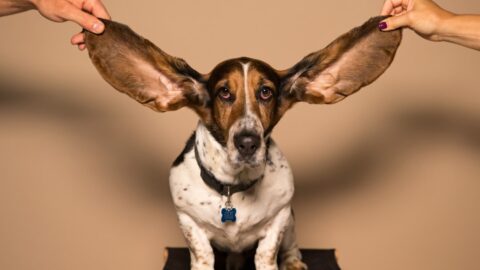
Dogs with floppy ears get sick from bacterial infections three times more often than dogs with pricked ears. This is not a guess. It is a mechanical reality of airflow and moisture retention. The ear flap creates a sealed microclimate that turns the outer ear canal into a bacterial greenhouse, and most owners don’t realize it until the smell hits them.
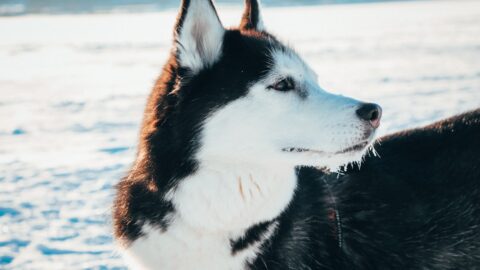
If your dog has ears that hang down, you are not just looking at a breed standard. You are looking at a chronic, low-grade infection risk that requires a completely different grooming protocol than your neighbor’s husky. The problem isn’t the ear itself. The problem is the physics of what happens when you cover a warm, dark, damp space with a thick layer of fur.
The Physics of the Ear Flap
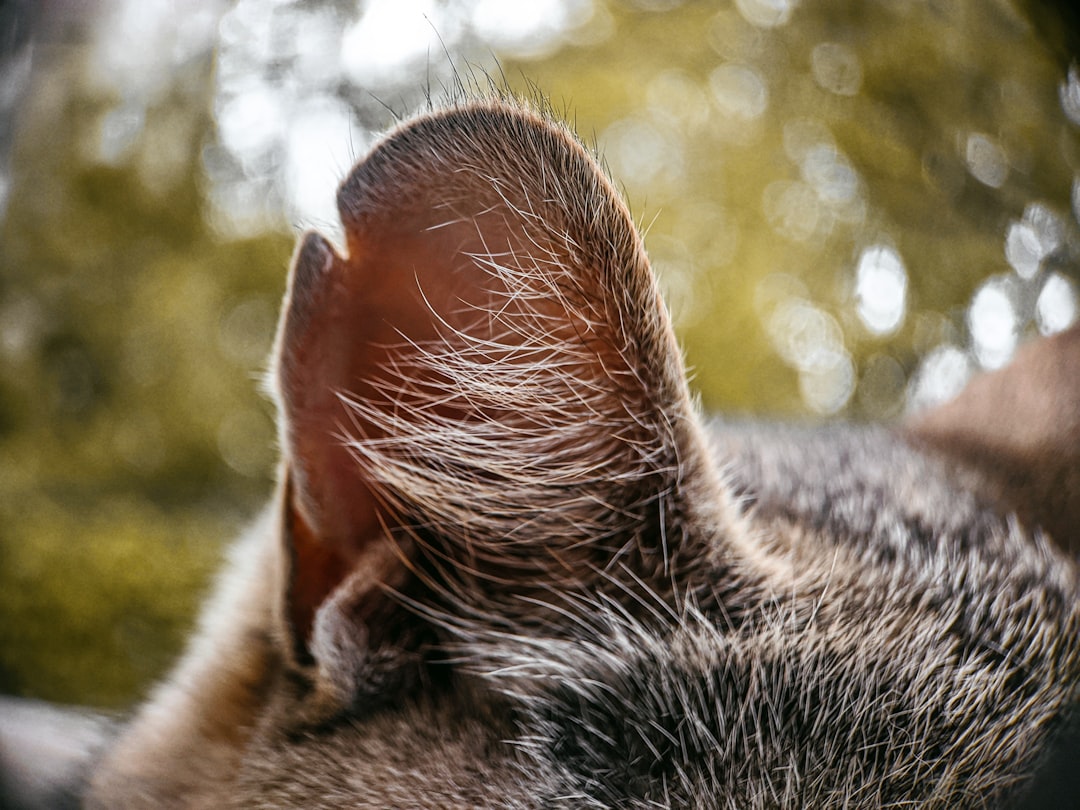
To understand why droopy ears are a health hazard, you have to understand the anatomy of the ear canal. The ear canal in a dog is not a straight tube like a human ear. It is an L-shaped passage. The vertical portion goes down, and the horizontal portion goes across the skull. This structure is designed to protect the delicate eardrum from debris and water.
But when you add a heavy, floppy ear flap, you change the environment completely. The ear flap acts as a gasket. It seals the opening of the ear canal from the outside air. In a dog with pricked ears, air circulates freely through the opening, drying out any moisture from rain, swimming, or normal glandular secretions. In a dog with droopy ears, that air is locked out.
Warmth and moisture are the two primary ingredients for bacterial and yeast growth. The ear canal is naturally warm. It has a rich blood supply. When you trap that warmth behind a wall of fur, you create the perfect incubator. The moisture from normal cerumen (earwax) production has nowhere to evaporate. It pools. It sits. And it feeds the microbiome that lives in every dog’s ear.
This is why breeds like the Cocker Spaniel, the Basset Hound, and the Golden Retriever are disproportionately represented in veterinary emergency rooms for ear infections. It is a direct result of their anatomy. The ear flap is not a decorative feature. It is a functional moisture trap.
Why Standard Grooming Fails
Most owners treat ear health as a reactive problem. They wait for the dog to shake its head, scratch its ear, or develop a foul odor. By that point, the infection is usually deep in the horizontal canal, and topical treatments struggle to reach the source. The goal of proactive grooming is to stop the infection before it starts by managing the environment inside the ear canal.
The most common mistake owners make is ignoring the hair inside the ear canal. In dogs with droopy ears, hair grows directly inside the vertical canal. This hair is not there to protect the eardrum. It is there to trap debris and moisture. If you leave that hair intact, you are essentially packing a wet towel into the bottom of a sealed container. The hair holds the moisture against the skin, preventing airflow and creating a breeding ground for Malassezia yeast and Staphylococcus bacteria.
Plucking that hair is not optional. It is a mandatory step in the grooming protocol for any breed with hanging ears. You must remove the hair from the vertical canal to restore airflow. This is not a cosmetic procedure. It is a medical necessity. Without hair removal, no amount of cleaning solution will work for long, because the moisture has nowhere to go.
Do not use standard grooming tools for this. Standard brushes are designed for the outer coat. They cannot reach deep into the ear canal. You need specialized forceps or hemostats designed for ear hair removal. These tools allow you to grasp the hair at the root and pull it out cleanly, minimizing pain and preventing breakage. Broken hair left inside the canal is just as bad as leaving it there, because it continues to trap moisture.
The Cleaning Protocol That Actually Works
Once the hair is removed, you must establish a cleaning routine that matches the biology of the ear. The goal is not to sterilize the ear. The ear needs its natural microbiome. The goal is to maintain a healthy pH and remove excess debris before it can cause an infection.
Use a veterinary-approved ear cleaner that contains a drying agent. Alcohol-based cleaners are too harsh and can irritate the sensitive skin of the ear canal. Instead, look for a cleaner that contains chlorhexidine or acetic acid. These ingredients help maintain the slightly acidic pH of a healthy ear, which inhibits the growth of yeast and bacteria.
Apply the cleaner generously. Fill the canal until you see a slight overflow. This ensures the solution reaches the bottom of the horizontal canal. Then, massage the base of the ear for 30 seconds. You will hear a squishing sound. That is the sound of the solution breaking up debris and wax. This mechanical action is more important than the chemical action of the cleaner itself.
After massaging, let the dog shake its head. This uses centrifugal force to fling the loosened debris and solution out of the canal. Then, wipe the outer ear with a cotton pad. Do not use cotton swabs. Swabs push debris deeper into the canal and can damage the eardrum. Cotton pads are safe for the outer folds and the visible part of the vertical canal.
Perform this routine once a week for dogs with droopy ears. If your dog swims frequently, do it after every swim. This proactive approach prevents the buildup of moisture and debris that leads to infection. It is far cheaper and less stressful than treating an active infection with oral antibiotics and steroid drops.
When to See a Veterinarian
Even with perfect grooming, infections can happen. If your dog is shaking its head excessively, scratching at its ears, or if you notice a dark, waxy discharge or a foul odor, you need to see a veterinarian. These are signs of an active infection that requires prescription medication.
Do not attempt to treat an active infection with over-the-counter cleaners. If the eardrum is ruptured, which can happen with chronic infections, putting anything into the ear can cause permanent hearing loss or balance issues. A veterinarian will use an otoscope to check the integrity of the eardrum before recommending treatment.
Chronic ear infections can lead to a condition called otitis interna, which affects the inner ear and can cause head tilts, loss of balance, and even facial nerve paralysis. This is why proactive grooming is so critical. It is about preventing permanent neurological damage.
Conclusion
Your dog’s droopy ears are not a cute quirk. They are a functional design that creates a high-risk environment for infection. By understanding the physics of the ear flap, you can take control of your dog’s ear health. Remove the hair, clean regularly, and monitor for signs of infection. This simple grooming protocol can save your dog from years of discomfort, expensive veterinary bills, and the risk of permanent hearing loss. The ear flap is not just an ear. It is a moisture trap. Treat it like one.
Frequently Asked Questions
How often should I clean my dog’s ears?
For breeds with droopy ears, clean once a week. If your dog swims, clean after every swim. Breeds with pricked ears may only need cleaning once a month or not at all, depending on their individual biology.
Can I use human ear drops for my dog?
No. Human ear drops are formulated for human ear pH and anatomy. Using them on dogs can disrupt their natural microbiome and cause irritation. Always use a veterinary-approved ear cleaner.
Is ear hair plucking painful?
Plucking hair from the vertical canal can be uncomfortable, but it should not be painful if done correctly. Use a topical anesthetic spray if your dog is sensitive. The relief from improved airflow usually outweighs the brief discomfort of plucking.
What are the signs of a yeast infection?
Signs include a foul, yeasty odor, dark brown or black waxy discharge, redness, and itching. If you notice these signs, see a veterinarian for a culture and sensitivity test to determine the best treatment.
Sources & Further Reading
- Otitis Externa in Dogs: A Review — Veterinary Partner
- Ear Infections (Otitis Externa) in Dogs — VCA Animal Hospitals
- Canine Otitis Externa: Diagnosis and Treatment — Merck Veterinary Manual
Photo by August Black on Unsplash.