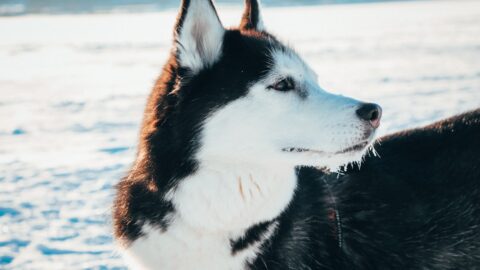
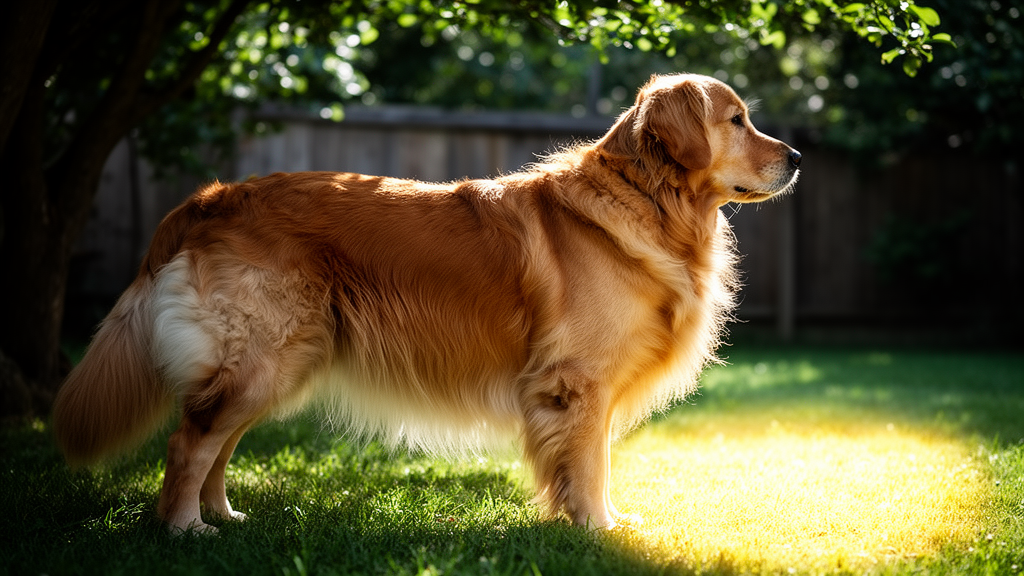
Every summer, groomers across the country shave double-coated breeds like Golden Retrievers, Huskies, and Shepherds, operating on the assumption that removing that thick undercoat will keep the dog cooler. The logic seems undeniable: less insulation, more air, lower temperature. But when you actually measure the skin surface temperature of a freshly shaved dog against an unshaved one in direct sunlight, the shaved dog’s skin registers higher. The insulation didn’t disappear; it just moved from the surface to the subcutaneous layer, trapping heat directly against the body. The myth that shaving double-coated dogs cools them down is not just incorrect; it actively accelerates heat stress.
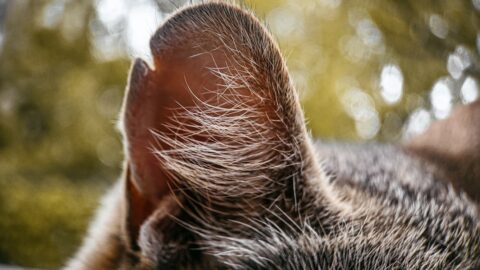
Double-coated breeds did not evolve two layers of fur by accident. The outer coat, or guard hairs, consists of longer, coarser fibers that act as a physical shield against ultraviolet radiation and physical abrasion. Beneath that lies the dense, soft undercoat, which functions as an active climate regulator. It traps a layer of air close to the skin, insulating the dog against both freezing winter air and scorching summer heat. This air layer is the key. When you shave a double-coated dog, you remove the guard hairs that keep that insulating air layer in place, exposing the skin directly to ambient heat and solar radiation. The result is a dog that loses the very mechanism designed to keep them comfortable.
The biological reality of thermoregulation in dogs is often misunderstood by owners who equate human sweating with canine cooling. Dogs do not sweat through their skin like humans do. Instead, they rely on evaporative cooling through panting and, to a lesser extent, through the pads of their feet. This process requires a stable core temperature to function efficiently. When a double-coated dog is shaved, the lack of protective guard hairs allows solar radiation to penetrate directly to the skin. The skin absorbs this heat, raising the core temperature faster than an unshaved dog’s would. The undercoat, far from being a blanket of warmth, acts as a buffer that slows the transfer of external heat to the body. Without it, the dog is essentially wearing a heat trap.
There is also a significant risk of thermal shock. A dog accustomed to the insulating properties of a full coat has no natural defense against sudden temperature drops. While the summer heat is the primary concern, the lack of insulation makes these dogs vulnerable to hypothermia in cooler evenings or during air-conditioned environments. More importantly, the removal of the undercoat disrupts the natural growth cycle. The undercoat follicles do not simply regrow; they often enter a state of dysregulation known as post-clipping alopecia. In this condition, the hair grows back patchy, wiry, or not at all, leaving the dog permanently exposed to the elements it was bred to withstand. This is not a temporary inconvenience; it is a structural change to the dog’s primary defense system.
The grooming industry’s reliance on shaving double-coated breeds is driven by aesthetic preference, not biological necessity. Owners want a “cute” look, and groomers offer a quick solution to what they perceive as a shedding problem. But shedding is not a flaw to be corrected; it is the mechanism by which the dog releases dead undercoat to make room for new growth. Shaving does not stop shedding; it halts the cycle, leading to a chaotic regrowth phase that can take months or even years to resolve. During this time, the dog is left with compromised skin, prone to sunburn and allergic reactions, because the protective barrier has been stripped away.
Proper care for a double-coated dog requires a different approach to grooming. Instead of shaving, owners should focus on regular brushing to remove the dead undercoat before it becomes trapped against the skin. Tools like undercoat rakes and deshedding brushes are designed to reach the underlayer without damaging the guard hairs. This process, often called “blowing the coat,” mimics the natural shedding cycle and keeps the dog comfortable without compromising their thermoregulatory system. It requires time and effort, but it preserves the dog’s natural biology. The goal is not to remove the coat, but to manage it.
Heatstroke is a leading cause of preventable death in double-coated breeds during the summer months. When a dog’s ability to regulate temperature is compromised by shaving, the risk of heatstroke increases dramatically. Symptoms of heatstroke include excessive panting, bright red gums, lethargy, and collapse. Because the shaved dog’s skin is directly exposed to heat, their core temperature can rise to dangerous levels much faster than an unshaved dog’s. This makes proactive cooling measures essential. Providing ample shade, fresh water, and cool surfaces is critical, but it is no substitute for the natural protection of a full coat.
The decision to shave a double-coated dog should only be made under the guidance of a veterinary professional, and even then, it is rarely recommended for aesthetic reasons. There are specific medical conditions, such as severe matting that cannot be brushed out, or certain skin treatments that require direct application, where shaving might be necessary. In these cases, the coat is often clipped to a specific length rather than shaved to the skin, preserving some of the protective qualities. For the vast majority of double-coated dogs, however, shaving is an unnecessary intervention that does more harm than good.
Understanding the biology of the double coat changes how we care for these dogs. It shifts the focus from aesthetic manipulation to biological support. By respecting the natural function of the coat, owners can prevent heat stress, reduce the risk of skin problems, and ensure their dogs remain comfortable in all weather conditions. The next time you are tempted to shave your dog for the summer, remember that the coat is not the problem. It is the solution. The real issue is how we manage it. Proper brushing, regular exercise in cooler parts of the day, and access to shade are the keys to keeping a double-coated dog healthy and happy. Shaving is not a shortcut; it is a surrender to a myth that costs the dog their natural protection.