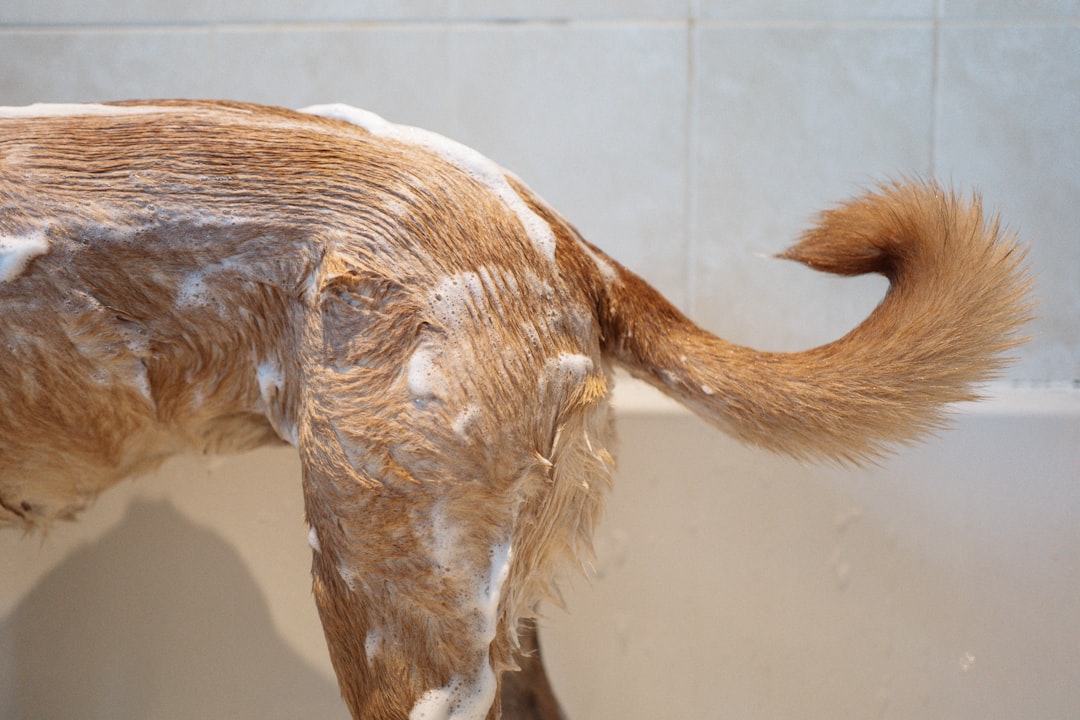
Shaving a double-coated dog does not cool it. It breaks the radiator. The logic seems so simple, so obvious, that questioning it feels like arguing against basic physics. If you are hot, you take off your jacket. If your dog is hot, you shave the coat. But dogs are not humans wearing fur suits. Their coat is not a jacket. It is a complex, active climate-control system, and shaving it does not remove the insulation. It removes the mechanism that makes insulation work.
When you shave a double-coated breed, you are not simplifying the dog. You are dismantling a biological machine designed to keep the animal alive in extreme environments. The result is not a cooler pet. It is a dog with no thermal regulation, prone to heat stress, sunburn, and permanent coat damage. The reason is not complicated, but it is counterintuitive: the coat regulates temperature through airflow and light reflection, not just thickness.
The Anatomy of the Double Coat
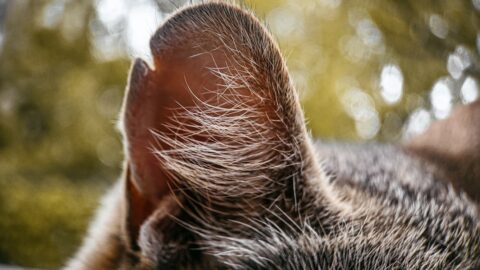
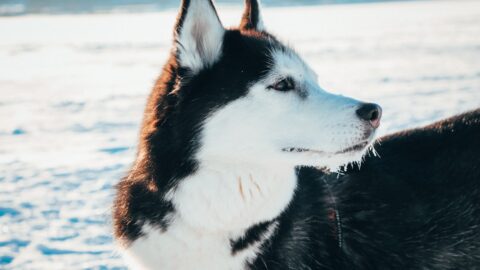
To understand why shaving fails, you have to understand what the coat actually does. A double coat consists of two distinct layers, each with a specific physical job. The undercoat is the insulation. It is soft, dense, and fluffy, designed to trap air close to the skin. The topcoat, or guard hairs, is coarser, longer, and water-resistant. It is the weatherproofing.
Most people assume the undercoat is the problem. They see a thick, fluffy layer and think, “That is what is making him hot.” But the undercoat is actually the solution. By trapping a layer of air, it creates a buffer zone between the dog’s skin and the outside environment. In winter, that air keeps body heat in. In summer, that same air keeps external heat out. The system works through convection. Air moves slowly through the undercoat, carrying heat away from the skin without letting hot air rush in.
The guard hairs are the other half of the equation. They are not just decorative. They are structural. They hold the undercoat up, away from the skin, creating the space where the cooling air can circulate. They also reflect sunlight. Darker coats absorb more heat, but the guard hairs are designed to deflect the majority of solar radiation before it ever reaches the skin. Without them, the undercoat collapses against the body, losing its insulating properties and turning into a heat trap.
What Shaving Actually Does to the Coat
When you shave a double-coated dog, you remove the guard hairs. The undercoat is left behind, but it is no longer held up by the structural support of the topcoat. It collapses. It mats against the skin. The air circulation stops. The buffer zone disappears. What was once a sophisticated climate-control system becomes a stagnant, heat-retaining mess.
But the damage goes deeper than just heat. The guard hairs contain specialized cells that control the growth cycle of the undercoat. When you shave them off, you disrupt that cycle. The undercoat grows back, but it grows back differently. It grows back faster, denser, and often with a different texture. In many breeds, it never returns to its original state. The dog is left with a coat that is thicker, heavier, and far less effective at regulating temperature than the one it started with.
This is not a minor cosmetic issue. It is a permanent alteration of the dog’s biology. The coat is not a removable layer. It is a living, growing organ. Shaving it is like cutting down a tree to cool off a house. You might get a momentary breeze, but you have destroyed the shade that was keeping the house cool in the first place.
The Heat Stress Danger
Dogs do not sweat like humans. They cool themselves primarily through panting and by releasing heat through their paw pads and the un-furred areas of their body. The coat plays a crucial role in this process by keeping the ambient heat away from the skin. When you shave the coat, you remove that barrier. The skin is exposed directly to the sun and the hot air. The dog has to work harder to cool itself, and it has fewer tools to do it with.
This is why shaved double-coated dogs are at a much higher risk of heat stress. They do not have the insulation to keep the heat out. They do not have the airflow to carry the heat away. They are left with bare skin, exposed to the sun, trying to cool down in an environment that is actively trying to heat them up. It is a losing battle.
Heat stress is not a theoretical risk. It is a leading cause of death in dogs during the summer months. And shaving a double-coated dog does not prevent it. It causes it. The logic is backwards. The thicker the coat, the better the insulation. The thinner the coat, the more the dog is exposed to the elements. Shaving a dog is not a cooling strategy. It is a heat trap.
The Real Solution: Airflow and Grooming
If shaving is not the answer, what is? The answer is not in the clippers. It is in the brush. Double-coated dogs need their coats maintained, not removed. Regular brushing removes dead undercoat, allowing the air to flow freely through the remaining layer. It keeps the guard hairs in place, maintaining the structural integrity of the coat. It keeps the insulation working as designed.
Tools like undercoat rakes and deshedding blades are not damaging the coat. They are supporting it. They remove the dead hair that would otherwise mat against the skin and block airflow. They do not cut the living hair. They do not disrupt the growth cycle. They simply clear the path for the cooling system to work.
Keeping the coat long is not a sign of neglect. It is a sign of understanding. It is a recognition that the dog’s biology is more complex than a simple “less hair equals less heat” equation. It is a recognition that the coat is a tool, and tools need to be maintained. Shaving is not maintenance. It is destruction.
When Shaving Is Actually Necessary
There are rare cases where shaving is medically necessary. Severe matting that cannot be brushed out, skin infections that require direct topical treatment, or surgical preparation. In these cases, a professional groomer or veterinarian will shave the dog, and it is the right call. But these are exceptions. They are not the rule. They are not a justification for shaving a healthy dog because you think it will be cooler in the summer.
If your dog has a double coat, trust the biology. Trust the coat. It has been evolving for thousands of years to keep your dog alive in the harshest conditions on earth. It knows what it is doing. Your job is not to fix what is not broken. Your job is to maintain it. Keep it brushed. Keep it clean. Keep it long. And let the radiator do its job.
Sources & Further Reading
- Double-Coated Dogs: To Shave or Not to Shave? — American Kennel Club
- The Double Coat: A Dog's Natural Air Conditioner — ASPCA
- Canine Coat Types and Grooming — Veterinary Partner