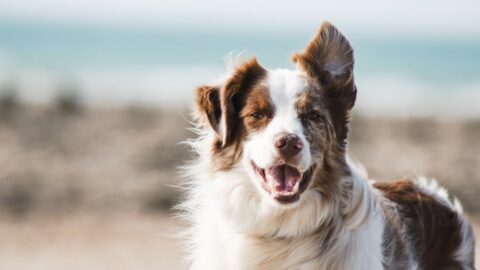
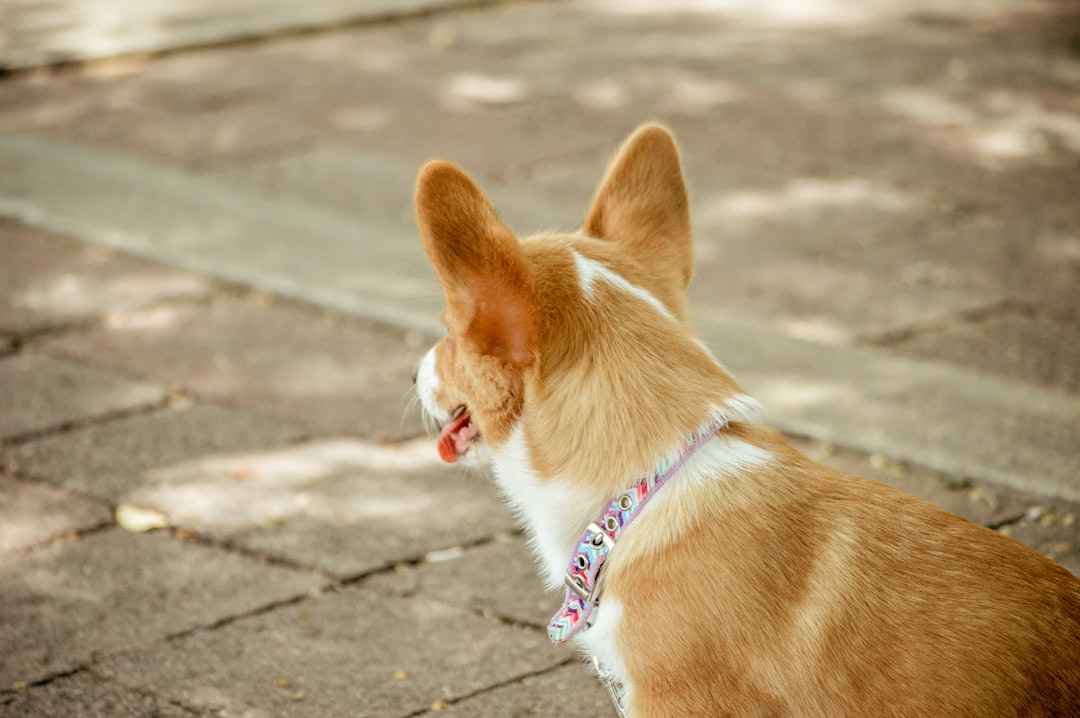
The Basenji stands on a Kenyan cliff edge, ears pricked forward, body coiled tight. A puffin bursts from the water. The dog does not bark. It does not rush. It holds its ground, tail curled tight against its flank, acting as a counterbalance while its hind legs dig into the rock. If that tail had hung loose, the torque of the lunge would have thrown the dog off balance. The knot is not decorative. It is the anchor that makes the hunt possible.
The Basenji, often called the ‘barkless dog’ because of its unique yodel-like vocalization, is one of the most physically specialized breeds in the canine world. While most owners focus on the sound, the breed’s true engineering marvel is its tail. The tight, forward-curling knot is a direct adaptation to the breed’s working purpose: hunting small, agile game in dense, uneven terrain. This article explores the anatomy, history, and practical implications of that tail knot, explaining why it is a functional necessity rather than a cosmetic quirk.
The Anatomy of the Knot
Most dogs carry their tails in a neutral position, allowing them to signal mood and balance. The Basenji’s tail is different. It sits high on the back, curling tightly over the spine so that the tip touches the base. This is not a genetic accident. It is the result of selective breeding for a specific hunting style in Central Africa, likely the Congo Basin, over thousands of years.
The tight curl serves two critical functions. First, it protects the tail. In dense brush, a long, loose tail would be easily broken or injured. By curling it tightly against the body, the Basenji minimizes its profile, reducing the risk of snagging on thorns or branches. Second, and more importantly, it acts as a counterbalance. When the dog pushes off to chase a small, fast-moving target like a rodent or a bird, the tight curl provides a rigid counterweight. This allows the dog to make sharp, sudden turns without losing momentum or slipping. Without this tail configuration, the breed’s signature agility would be significantly compromised.
This functional design is recognized by major kennel clubs. The American Kennel Club (AKC) breed standard describes the tail as ‘set high, curling tightly over the spine in a tight curl.’ The United Kennel Club (UKC) uses similar language, emphasizing the ‘tight curl’ as a breed characteristic. These are not aesthetic preferences; they are functional requirements for a dog bred to work in specific environments.
Historical Context: The Congo Basin Hunter
The Basenji’s origins trace back to ancient Egypt, where depictions of similar dogs appear on tomb paintings dating back to 2000 BCE. However, the modern Basenji’s specific traits were refined in Central Africa, particularly in the Congo Basin. Here, they were used by indigenous hunters to flush out small game from dense forests. Unlike other hunting dogs that bay or bark to signal their location, the Basenji was bred for silence. This allowed hunters to approach prey without alerting it to the dog’s presence.
The silence and the tail knot are linked. A dog that hunts silently in dense brush must rely on its own body mechanics to navigate obstacles. A loose tail would be a liability, catching on branches and slowing the dog down. The tight curl ensures that the tail remains out of the way, allowing the dog to move freely through thick undergrowth. This historical context explains why the Basenji’s tail is so different from other breeds. It is not a quirk; it is a survival trait.
When the breed was introduced to the West in the early 20th century, its unique traits were met with skepticism. Many early Western breeders struggled to understand the purpose of the tail knot, viewing it as a defect. It took decades of dedicated breeding programs to stabilize the trait and demonstrate its functional value. Today, the Basenji is recognized as one of the most ancient and specialized breeds in the world, with the tail knot serving as a key identifier of its heritage.
Practical Implications for Owners
Understanding the functional purpose of the Basenji’s tail knot has practical implications for owners. First, it explains why the breed is so agile. The tight curl provides the balance needed for sharp turns and quick changes in direction. This makes the Basenji an excellent candidate for agility sports, where speed and precision are key. However, it also means that the breed requires ample space to run. A small apartment is not a suitable environment for a dog bred to cover ground quickly.
Second, the tail knot requires careful grooming. Because the tail curls tightly against the body, it can trap dirt, debris, and moisture. This creates a breeding ground for bacteria and fungi, leading to skin infections if not properly cleaned. Owners must regularly check the area under the tail, ensuring it is clean and dry. Failure to do so can result in painful infections that require veterinary intervention.
Third, the tail knot is a key indicator of breed purity. Dogs with loose or straight tails are often mixed breeds or lack the specific genetic traits of the Basenji. When purchasing a Basenji, prospective owners should look for a tight, forward-curling tail as a sign of breed authenticity. This is not just a cosmetic preference; it is a functional requirement for the breed’s working heritage.
Comparing the Basenji to Other Breeds
While the Basenji’s tail knot is unique, other breeds have evolved similar adaptations for specific environments. The Norwegian Lundehund, for example, has six toes and shoulders that rotate 180 degrees, adaptations that allow it to hunt puffins on steep cliffs. Like the Basenji, the Lundehund’s physical traits are directly linked to its working purpose. Both breeds demonstrate how selective breeding can produce highly specialized animals.
Other breeds, such as the Icelandic Sheepdog, have evolved thick coats to survive harsh Arctic conditions. While their adaptations are different from the Basenji’s, they share a common thread: every physical trait serves a specific functional purpose. Understanding these purposes helps owners appreciate the breed’s history and meet its needs.
Conclusion: The Tail Tells the Story
The Basenji’s tail knot is not a decorative quirk. It is a functional adaptation that has allowed the breed to survive and thrive in challenging environments for thousands of years. From the dense forests of the Congo Basin to modern agility rings, the tight curl provides the balance and protection necessary for the breed’s unique hunting style. For owners, understanding this functional purpose is key to providing the care and environment that the breed needs. The next time you see a Basenji, look at its tail. It is a story of survival, written in bone and muscle.
Sources & Further Reading
- The Basenji Breed Standard — American Kennel Club
- The United Kennel Club Basenji Standard — United Kennel Club
Photo by Jorge Zapata on Unsplash.