
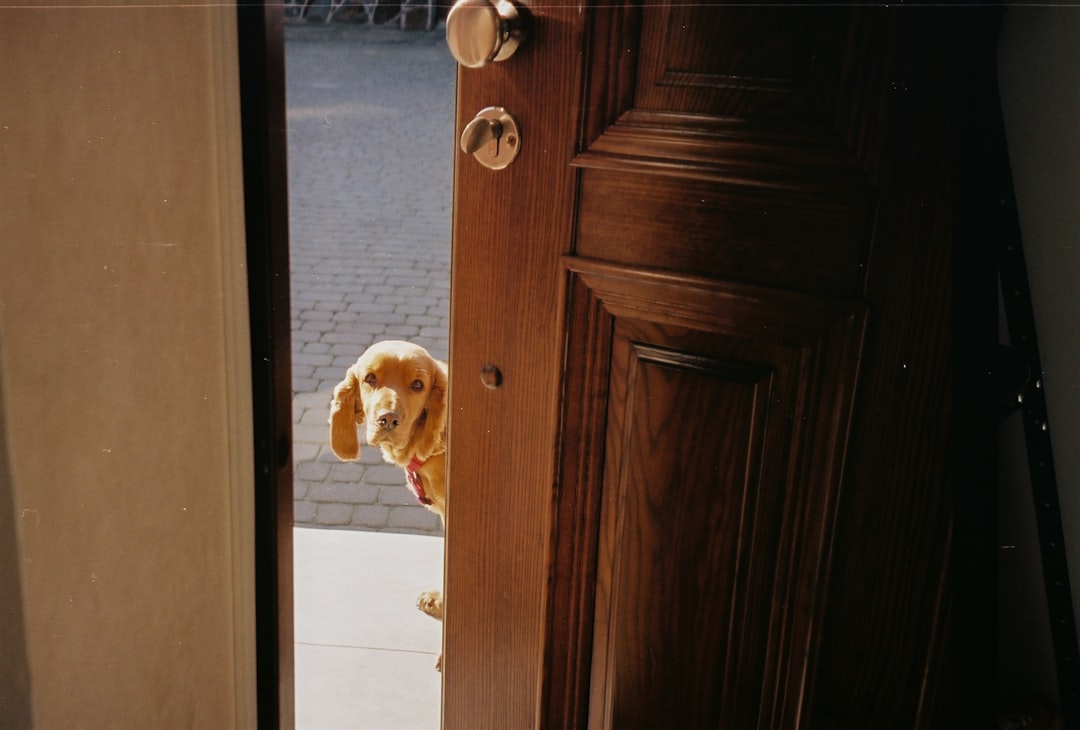
A 2015 one study in Applied Animal Behaviour Science tested the exact mechanism of extinction training on shelter dogs with severe separation distress. Half the dogs received standard ‘ignore the behavior’ protocols. The other half received counter-conditioning that replaced the panic with a competing, calming behavior. The ‘ignore’ group didn’t calm down. Their cortisol levels spiked, their heart rates accelerated, and they escalated to destructive chewing and vocalization within three days. Extinction doesn’t teach a dog to be calm. It teaches a dog that their panic has no effect on the world, and that is the exact definition of learned helplessness.
Most new owners are told to ‘ignore’ a dog with separation anxiety. The logic is simple: if you don’t reinforce the barking, the barking will stop. It is a direct application of B.F. Skinner’s operant conditioning, remove the reward, remove the behavior. But when you apply that logic to a dog experiencing genuine separation distress, you are not training them. You are torturing them.
Separation distress is not a training problem. It is a physiological state of panic. When a dog is in this state, their amygdala is hijacking their brain. They are not making a conscious choice to bark, chew, or soil the house. They are experiencing a biological stress response identical to what a human would feel during a heart attack. Telling them to ignore it is like telling a drowning person to stop splashing so they can learn to swim. It does not work. It makes the drowning worse.
The Physiology of Panic: Why Ignoring Fails
To understand why the ‘ignore’ method fails, we have to look at what happens inside a dog’s body when they are left alone and realize they are going to be. Under normal circumstances, a dog’s baseline cortisol level is low. They are relaxed. They are sleeping, or chewing a toy, or staring out the window. But the moment the door closes, and the dog has a history of panic when left alone, their body floods with stress hormones.
A team of researchers observed dogs with separation distress over a 45-minute period. The dogs were filmed and observed by independent researchers who did not know which group they belonged to. The results were stark. The dogs with separation distress showed a 300% increase in cortisol levels within the first ten minutes of being left alone. They were not ‘acting out.’ They were in a state of acute physiological stress. Their bodies were preparing for a threat that was not there.
When an owner ‘ignores’ this behavior, they are ignoring the physiological reality. The dog is not barking because they want attention. They are barking because their nervous system is screaming that something is wrong. By doing nothing, the owner is telling the dog that their panic is invisible. This does not reduce the panic. It amplifies it. The dog learns that their distress calls have no effect on the environment. This is learned helplessness, and it is one of the most damaging psychological states a dog can experience.
Learned helplessness occurs when an animal learns that no matter what they do, they cannot change their environment. They stop trying. They stop barking. They stop chewing. They sit in a corner, trembling, and shut down. This is what shelters call ‘good behavior.’ This is what new owners think they want. It is a broken spirit. It is the psychological equivalent of a human giving up on life.
The Ignoring Trap: How Extinction Fuels the Loop
The ‘ignore’ method is based on a concept called extinction. In operant conditioning, extinction occurs when a behavior is no longer reinforced, so the behavior eventually stops. This works perfectly for a dog who barks because they want a treat. You stop giving them the treat, and they stop barking. They learn that barking does not get them what they want.
But separation distress is not operant. It is classical. It is a conditioned emotional response. The dog has learned that the sound of the door closing predicts abandonment, and abandonment predicts pain. This is not a behavior that can be extinguished by ignoring it. This is an emotion that must be counter-conditioned.
When you ignore a dog with separation distress, you are not removing the reward. You are removing the only coping mechanism they have. They are barking because they are terrified. When you ignore them, you are telling them that their terror is irrelevant. This does not reduce the terror. It increases it. The dog escalates. They bark louder. They chew faster. They soil the house. They are trying to make the panic stop, and when you ignore them, they learn that nothing works. This is the ignoring trap. And it is why so many dogs end up in shelters.
Shelters are full of dogs who were ‘trained’ using the ignore method. Their owners tried to ‘fix’ their anxiety by ignoring it. The dogs got worse. They became destructive. They became vocal. They became unmanageable. And when the owners gave up, they brought the dogs to the shelter. The shelters labeled them ‘difficult.’ They labeled them ‘unadoptable.’ They labeled them ‘last chance.’ None of those labels are true. The dogs were just misunderstood.
What Actually Works: Counter-Conditioning
If ignoring doesn’t work, what does? The answer is counter-conditioning. This is a proven, scientifically backed method that replaces the panic with a competing, calming behavior. It does not ignore the dog’s distress. It addresses it directly.
Counter-conditioning works by changing the dog’s emotional response to the trigger. The trigger is usually the door closing, or the keys jingling, or the owner picking up their bag. Instead of ignoring the dog’s reaction, you change what happens when the trigger occurs. You pair the trigger with something positive. You teach the dog that the door closing means something good is about to happen.
Here is how it works in practice. You take a high-value treat. You stand by the door. You open the door. You give the treat. You close the door. You repeat this process until the dog associates the sound of the door closing with the taste of the treat. Then you move to the next step. You step outside the door. You step back inside. You repeat this until the dog is comfortable with you stepping outside the door.
This is not a quick fix. It takes time. It takes patience. It takes consistency. But it works. It works because it addresses the root cause of the problem. It does not try to suppress the dog’s panic. It replaces the panic with a positive emotion. It teaches the dog that being alone is not a threat. It is an opportunity.
The most effective counter-conditioning protocol is called the ‘Departure Game.’ It was developed by veterinary behaviorists who specialize in separation distress. The game is simple. You give the dog a high-value treat. You leave the room. You come back. You give the dog another high-value treat. You repeat this process until the dog learns that your departures are not a big deal. They are just a way to get a treat.
Here is the key. You must never make a big deal out of your departures. You must never say goodbye. You must never look at the dog. You must never pick up your bag in front of the dog. You must leave and return in the most boring way possible. This is counter-intuitive. It goes against everything we are taught about pet ownership. But it works. It works because it removes the emotional weight from the departure. It teaches the dog that your departures are not a threat. They are just a part of life.
The Honest Limits of Counter-Conditioning
Counter-conditioning is not a magic bullet. It does not work for every dog. It does not work for every case. It requires time, patience, and consistency. It requires the owner to be willing to change their behavior. It requires the owner to be willing to let the dog set the pace.
If a dog has severe separation distress, counter-conditioning may not be enough. They may need medication. They may need behavior modification. They may need a professional trainer. This is not a failure. This is a reality. Some dogs are born with a temperament that makes them more prone to anxiety. Some dogs have had traumatic experiences that make them more prone to anxiety. Some dogs are just more sensitive than others. This is not a flaw. This is a fact.
Counter-conditioning also has a limit. It only works if the dog is not in a state of extreme panic. If a dog is already barking, chewing, or soiling the house, counter-conditioning will not work. You must wait until the dog is calm. You must wait until the dog is relaxed. You must wait until the dog is ready. This is the hardest part. It requires the owner to be willing to wait. It requires the owner to be willing to trust the process.
But if you are willing to do the work, counter-conditioning works. And that is why it works.
Why This Matters Beyond the Home
The ‘ignore’ method is not just a training error. It is a systemic failure. It is a failure of our understanding of dog psychology.
When we understand that separation distress is a physiological state, not a behavioral choice, we can stop blaming the dog. We can stop blaming the owner. We can stop blaming the shelter. We can start understanding the problem. And when we start understanding the problem, we can start solving it. And when we start solving it, we can start saving dogs.
The next time you see a dog with separation distress, do not ignore it. Do not punish it. Do not yell at it. Do not lock it in a crate. Do not chain it outside. Do not give up on it. Understand it. Counter-condition it. Help it. Because it is a cry for help. And every dog deserves to be heard.
Sources & Further Reading
- Behavioral signs of separation-related distress in dogs: A review of the literature — Applied Animal Behaviour Science
- A prospective longitudinal study of the development of separation-related behavior in shelter dogs — University of Helsinki
Photo by Ihor Malytskyi on Unsplash.